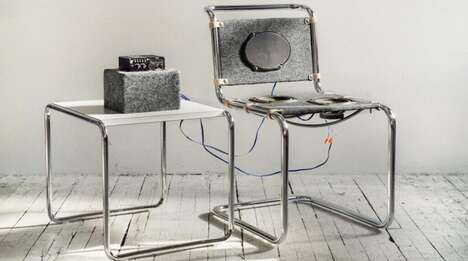
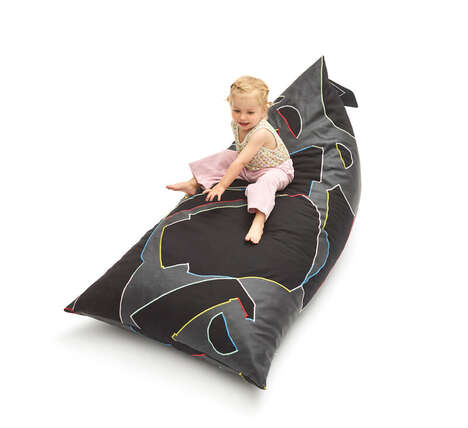
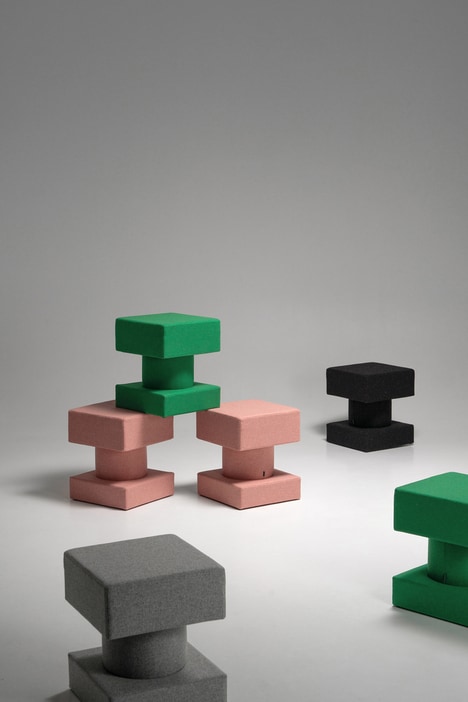
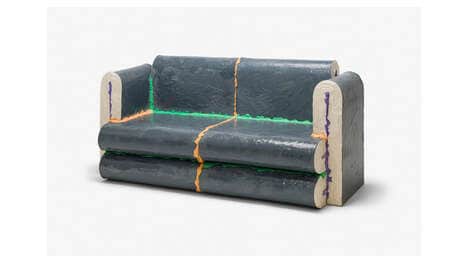
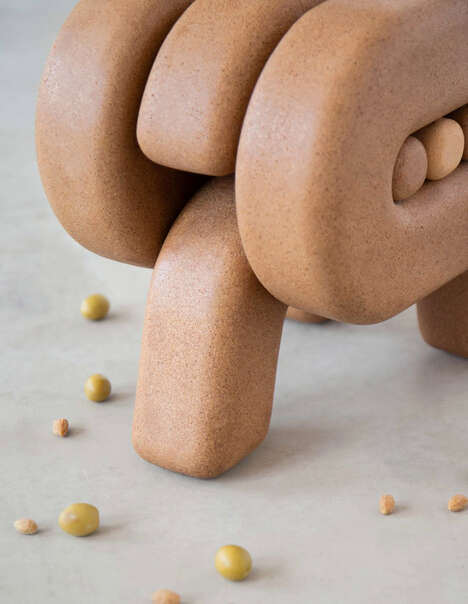
Merging creativity with social purpose, industrial leftovers from flip-flop factories are used to employ local people making Miss Rio Ottomans. Brazilian designer Karin Wittmann Wilsmann produces her flip-flop ottomans as part of the Ecodesign Ghetto project.
The goal of Ecodesign is to develop projects with commercial viability that use eco-friendly materials and local labor. The result of combining design with discarded material is an end product that both surprises and delights the user.
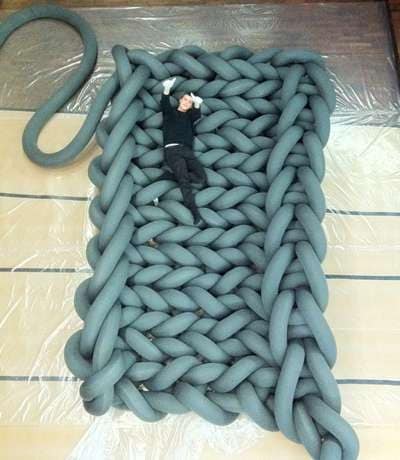
The colorful ottomans do not have a rigid structure. Their shape is supported by knotting, which means they can use a lot of material that would have otherwise been sent to landfills.
Why This Trend Is Growing
- Upcycling Manufacturing Waste
- Businesses can find opportunities to reuse manufacturing waste and transform them into creative and eco-friendly products.
- Socially Conscious Design
- Businesses can create products and involve local labor to support communities and foster eco-consciousness.
- Knotting as Structural Support
- Businesses can explore the use of knotting as a structural support method to reduce waste and incorporate more eco-friendly materials into furniture design.
Industries Being Reshaped
- Furniture Manufacturing
- Furniture manufacturers can explore eco-friendly materials and production methods for more sustainable and socially responsible products.
- Fashion Manufacturing
- Fashion manufacturers can repurpose waste materials, such as flip-flops, into unique and sustainable products.
- Environmental Conservation
- Organizations in the environmental conservation industry can promote and support sustainable design and production practices to reduce waste and environmental impact.