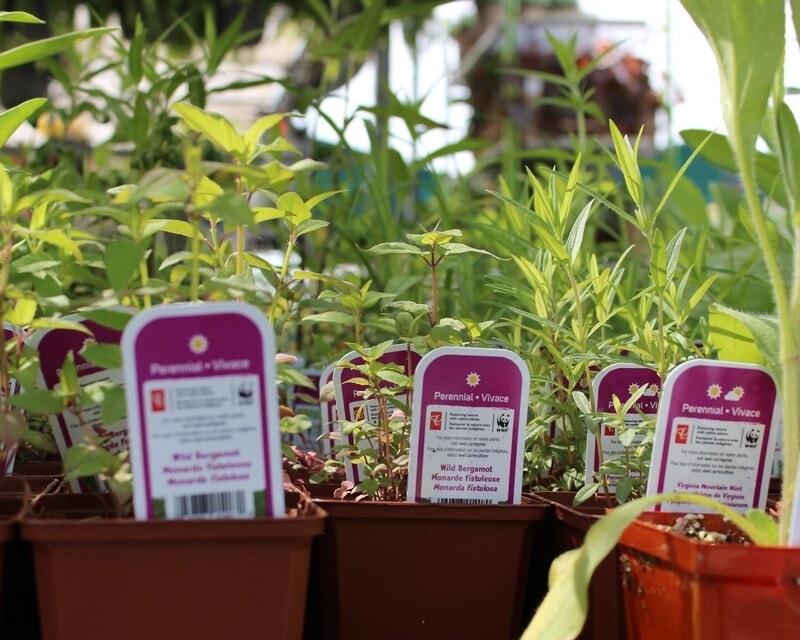
World Wildlife Fund Canada has partnered with Loblaw Companies Ltd. to expand access to Canadian-grown native plants at 142 garden centers across Ontario and Quebec. The initiative offers consumers an opportunity to support local ecosystems while enhancing their outdoor spaces.
The native plants are identifiable in stress by WWF-branded tags. They are ethically sourced from wild populations and grown without harmful pesticides to ensure optimal benefits for pollinators and local wildlife. Unlike conventional ornamental plants, these native species are specifically adapted to regional conditions and are more resilient to climate extremes.
The partnership between World Wildlife Fund Canada and Loblaw Companies Ltd. not only promotes biodiversity by restoring local natural habitats but also strengthens local economies by supporting Canadian growers.
Image Credit: World Wildlife Fund Canada x Loblaw
What's Driving This Trend
- Eco-conscious Gardening
- Gardening trends are shifting towards sustainability with a focus on native plants, which support biodiversity and reduce the environmental impact.
- Pesticide-free Flora
- Interest in plants grown without harmful pesticides is rising as consumers seek to protect pollinators and enhance ecological resilience.
- Climate-adapted Landscaping
- Landscaping practices are being transformed with the introduction of plant species that are naturally adapted to local climates, offering greater resilience against changing weather patterns.
Who This Affects Most
- Horticulture
- The horticulture industry stands to innovate by increasing the production and availability of native plants, which are tailored to local ecological needs.
- Retail Gardening
- Retail gardening arenas are being disrupted by the demand for sustainable and eco-friendly plant solutions, driving partnerships with environmental organizations.
- Wildlife Conservation
- Integrating native plant sales into local economies can spearhead new conservation efforts by boosting habitats crucial for local wildlife.