Amtrak, the United States' national rail service, has announced significant progress in enhancing accessibility across its network. This announcement coincides with the 36th anniversary of the Americans with Disabilities Act.
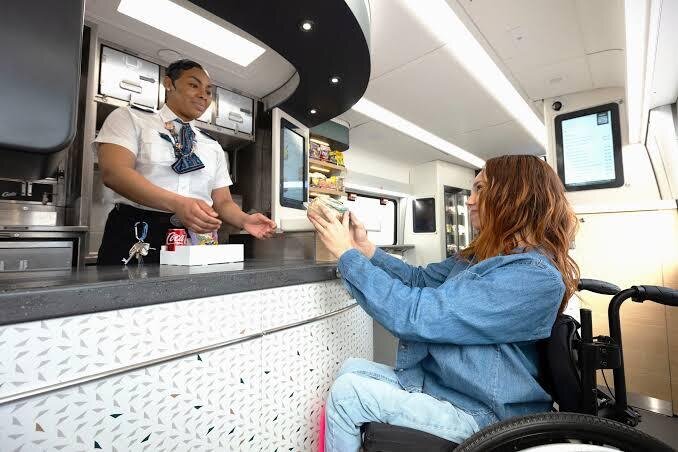
Amtrak's initiatives span station improvements, fleet modernization, and new customer support services designed to make rail travel more inclusive for all passengers. The company recently partnered with Be My Eyes, a platform that connects blind and low-vision travelers with specially trained staff who provide real-time wayfinding assistance and station navigation support. The introduction of the NextGen Acela fleet brings enhanced features such as new digital displays, spacious bathrooms, and at-seat access panels, while the upcoming Airo trainsets, debuting on the Amtrak Cascades route later this year, will include onboard lifts, accessible restrooms, spacious entry areas, and improved access to amenities.
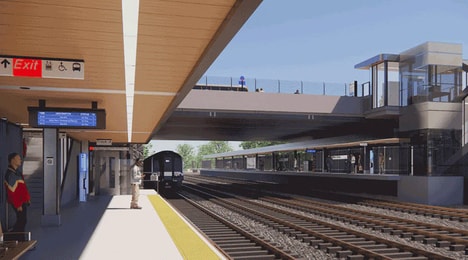
In terms of infrastructure, 163 of the 382 stations under Amtrak's purview are now fully ADA compliant, with 306 station designs completed, 86 projects actively underway, and 132 projects scheduled for construction through 2030.
Image Credit: Amtrak
Why This Trend Is Growing
- Accessible Transit Tech
- Real-time visual assistance, digital displays, and onboard access tools are creating new service models that make public transportation more navigable for passengers with disabilities.
- Inclusive Fleet Modernization
- Next-generation trains with accessible restrooms, lifts, spacious entryways, and adaptive passenger controls signal growing demand for mobility systems designed around universal usability.
- ADA Infrastructure Acceleration
- Large-scale station upgrades and compliance-driven construction programs are expanding opportunities for accessibility-focused design, construction, and passenger experience solutions.
Industries Being Reshaped
- Rail Transportation
- National rail operators are becoming testbeds for inclusive mobility innovations that combine modern rolling stock, accessible stations, and digitally supported travel assistance.
- Assistive Technology
- Platforms connecting travelers with trained support staff highlight the potential for remote guidance tools to become embedded in mainstream transportation experiences.
- Infrastructure Development
- Ongoing station redesigns and accessibility retrofits are reshaping demand for construction firms, architects, and systems providers specializing in barrier-free public environments.