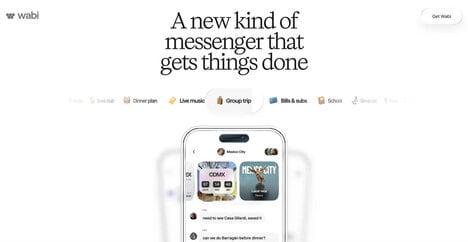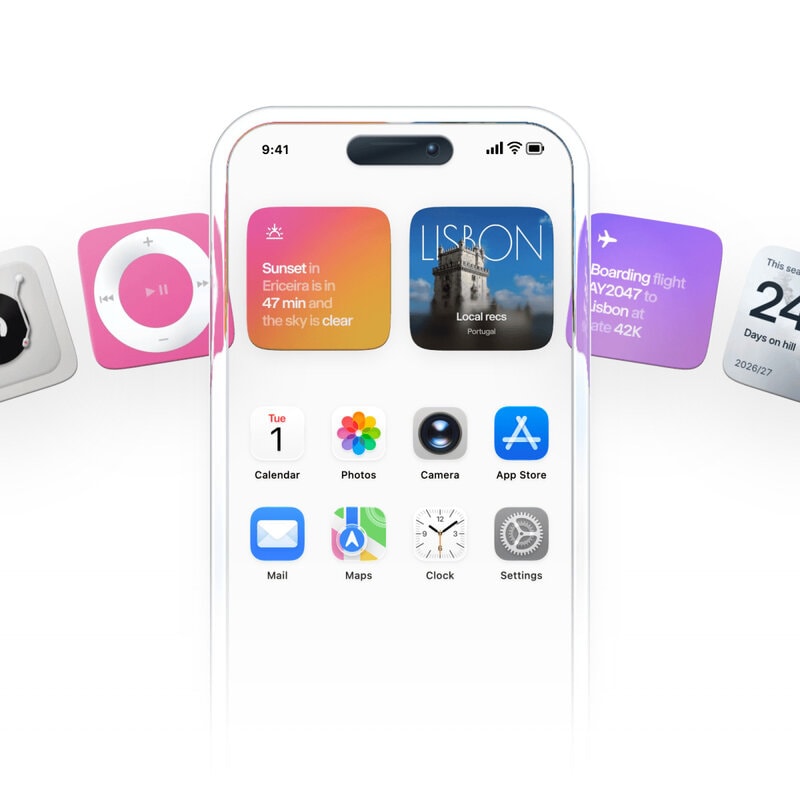
Eugenia Kuyda's 'Wabi' is now available to all users as a personal AI assistant built around multiple shared threads instead of a single long chatbot exchange. The messenger-style app lets people keep separate tasks and long-term goals in different chats, while the agent can create small built-in apps within each thread.
Connecting an email account prompts Wabi to generate starter threads and apps, so users do not have to build personal software from scratch. Shared chats use scoped access, and everyone in the thread can see when personal information is requested. Wabi is free for now and SOC 2 compliant, with most user data stored in the U.S.
Multiplayer threads turn the AI assistant category from a one-person prompt box into collaborative planning software. Free access and visible permission checks make that model easier for couples, families, and other small groups to test for everyday scheduling and decision-making.
Image Credit: Wabi
What's Driving This Trend
- Multiplayer AI Assistants
- Collaborative assistant interfaces are reshaping personal AI from isolated chat sessions into shared workspaces for household planning, group decisions, and ongoing life administration.
- Thread-based Task Intelligence
- Persistent topic-specific threads create room for AI systems that retain context across separate goals while generating lightweight tools tailored to each conversation.
- Transparent Permission AI
- Visible data requests and scoped access models introduce trust mechanisms that make shared AI experiences more viable for families, couples, and small teams.
Who This Affects Most
- Personal Productivity Software
- AI-powered thread management expands productivity platforms beyond task lists by blending conversation, automation, and custom mini-apps into everyday planning.
- Family Technology
- Shared assistant environments create new possibilities for coordinating schedules, responsibilities, purchases, and decisions across households with varying privacy needs.
- Collaboration Software
- Messenger-style AI workspaces signal a shift from enterprise-centric collaboration tools toward lightweight, context-aware systems for informal groups and micro-teams.