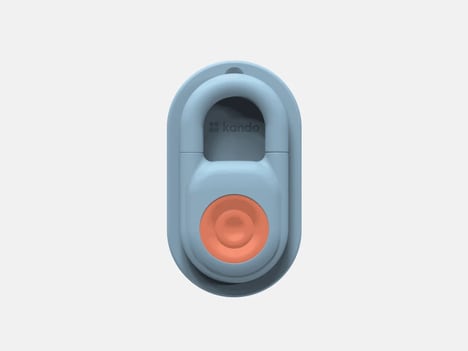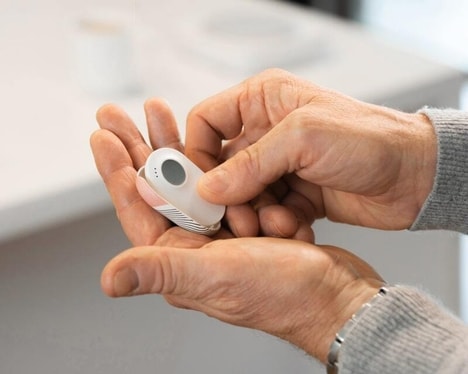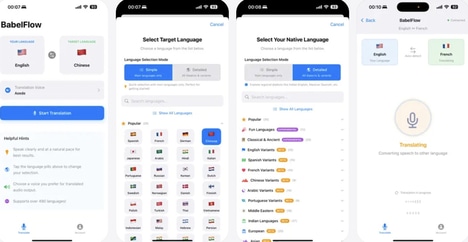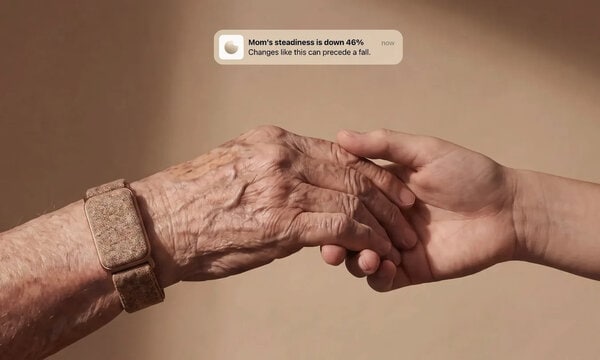
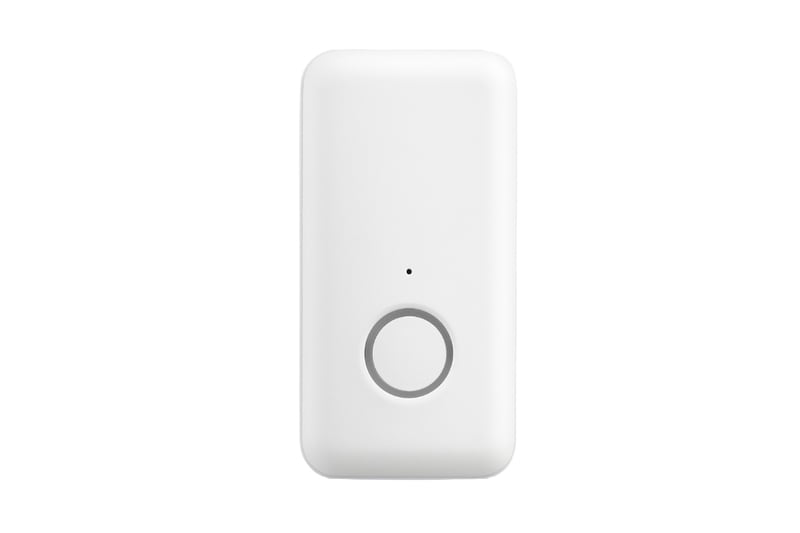
Multilingual medical alerts are making connected care more accessible by addressing language barriers throughout the entire emergency response experience. LifeStation's Spanish Pearl provides Spanish-language support from enrollment and onboarding to device voice prompts and 24/7 emergency monitoring, helping Spanish-speaking seniors communicate more confidently during critical situations. Rather than relying on limited translation services, the system is designed to deliver a consistent, language-accessible experience across every stage of care.
This approach reflects growing demand for healthcare technologies that better serve increasingly diverse populations. By removing communication barriers, providers can improve user confidence, encourage wider adoption of medical alert devices and help reduce delays during emergencies. For healthcare organizations and connected care providers, language-inclusive products also create opportunities to reach underserved communities, strengthen patient engagement and deliver more equitable care while differentiating their services in an increasingly competitive aging-in-place market.
Image Credit: LifeStation
What's Driving This Trend
- Multilingual Emergency Care
- Language-inclusive alert systems expand access for diverse seniors by embedding native-language support across onboarding, device interactions and emergency response workflows.
- Equitable Aging-in-place
- Connected care products tailored to underserved populations create new market potential by improving confidence, adoption and continuity of support for older adults at home.
- Localized Health Technology
- Culturally and linguistically adapted medical devices differentiate care platforms in competitive markets where personalization increasingly shapes trust and engagement.
Who This Affects Most
- Medical Alert Systems
- Voice-enabled, multilingual monitoring services open growth pathways for providers seeking to serve aging populations with more accessible emergency communication.
- Home Healthcare
- In-home care models benefit from language-accessible technology that reduces communication gaps and supports safer, more independent living for diverse patients.
- Digital Health
- Inclusive connected health platforms can strengthen engagement by designing user experiences around language needs rather than relying on reactive translation layers.