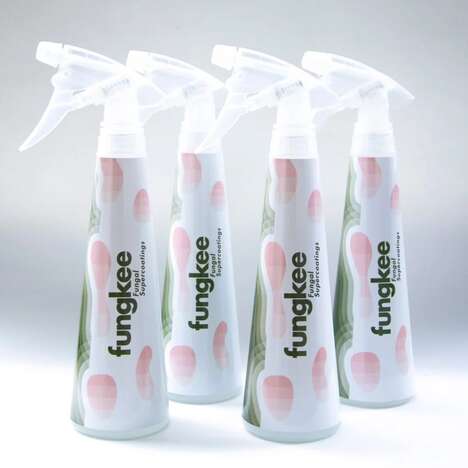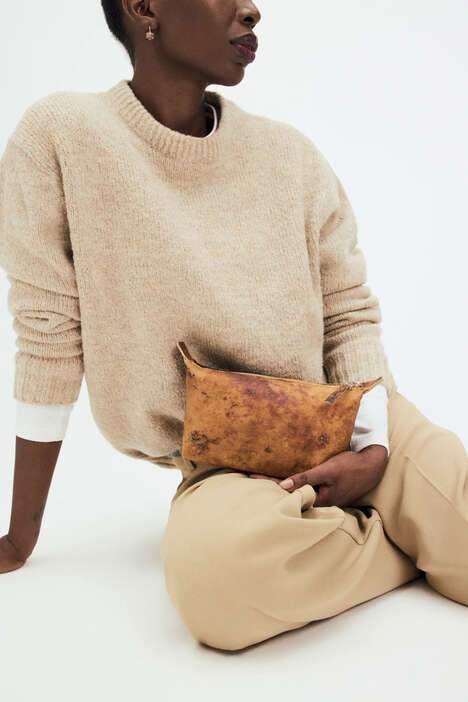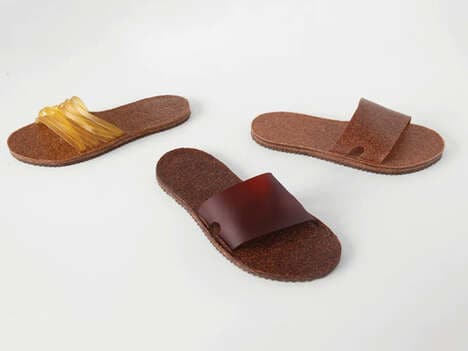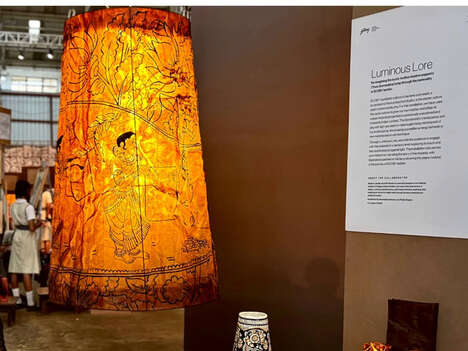

Biotechnology company Modern Synthesis makes use of sugar drawn from plant waste and other microbes in order to grow 'microbial textiles.' This process ultimately leads to a sustainable option for the traditional fabric to construct footwear through bacterial fermentation.
The material at the end of this process looks something like nylon or a coated textile with a feel that is similar to paper without fragility. This is an eco-friendly material that can be dyed and also be given a fusion of coatings, making it versatile to work for. The shoes that are made from this material are not available to purchase but there is a new lab in South London that has been working on creating prototypes to test and work with.
Image Credit: Modern Synthesis
What Makes This Trend Stand Out
- Sustainable Footwear Materials
- The use of microbial textiles grown from plant waste can disrupt the traditional fabric industry to produce eco-friendly footwear materials.
- Bacterial Fermentation Processes
- The process of using bacterial fermentation to produce microbial textiles can potentially disrupt the textile industry by providing a sustainable alternative to traditional fabric production.
- Innovative Eco-friendly Materials
- The development of new eco-friendly materials like microbial textiles can disrupt the fashion industry and lead to more sustainable fashion practices.
Sectors Adopting This
- Footwear
- Microbial textiles can disrupt the traditional footwear industry and provide a more sustainable option for producing shoes.
- Textile
- Microbial textiles and bacterial fermentation processes can potentially disrupt the traditional fabric industry and lead to more sustainable textile production practices.
- Fashion
- Innovative eco-friendly materials like microbial textiles can disrupt the fashion industry and lead to a more sustainable future for fashion.