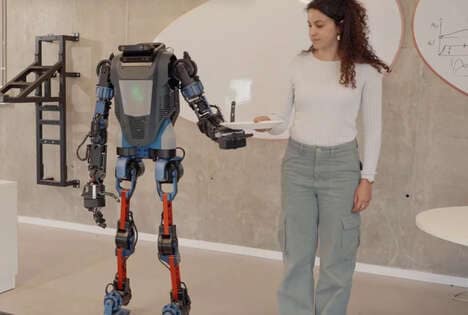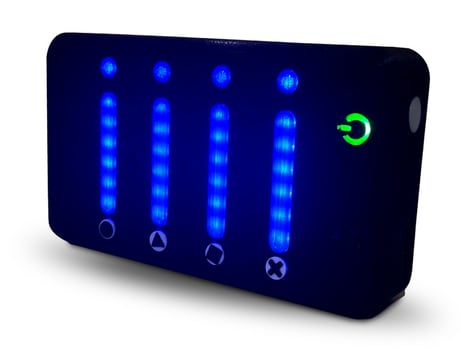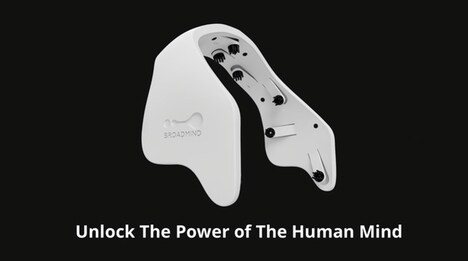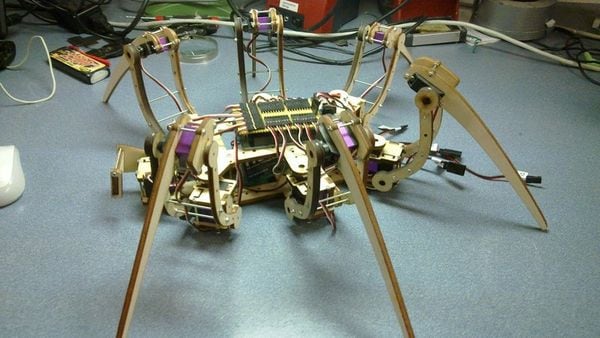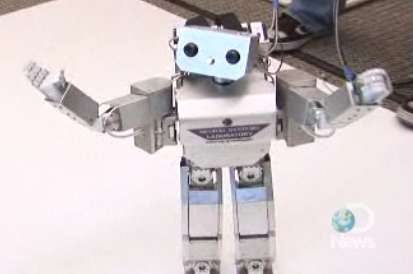
While sci-fi movies like Avatar and Surrogates imagine what mind-controlled robots might be like, Mike Chung, a student at the University of Washington Computer Science & Engineering department, has actually developed one. Mitra, a mind-controlled robot, uses human brainwaves as command signals.
The slow-moving Mitra is a mind-controlled robot under development, and takes several minutes to accomplish even simple tasks. See a Discovery News video of Mita in Action by visiting this link.
Implications - Removing the bulky interfaces that separate humans and technology should be of utmost importance to companies. Whether or not touch screens, human representatives or mind-control devices are implemented, it's incredibly important to make the interaction between product and customer as smooth as possible.
What Makes This Trend Stand Out
- Mind-controlled Robotics
- Developing robots which are directly controlled by the human mind has disruptive innovation opportunities in the field of healthcare.
- Human-computer Interaction
- Improving the interactivity between humans and computers using various interfaces could increase the efficiency of different industries, such as manufacturing and aerospace.
- Neuromarketing
- Using brainwaves to understand human behavior and preferences can provide innovative methods for marketing professionals.
Sectors Adopting This
- Healthcare
- Mitratherapy robots could be applied to rehabilitation and assist individuals in activities of daily living.
- Manufacturing
- Creating a seamless human-robot interaction could improve the efficiency of manufacturing processes.
- Aerospace
- Developing mind-controlled robots could enhance the safety and efficiency of specific aerospace activities and space exploration missions.