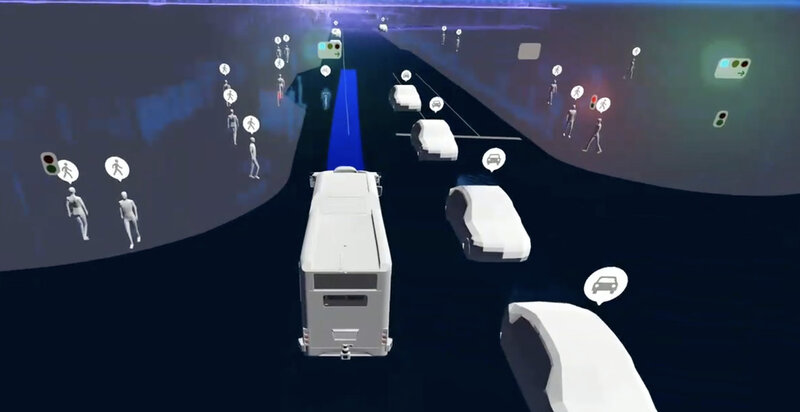
A new electric bus that can drive itself is heading to Australia and New Zealand, where transport authorities and bus operators will get the chance to see how the technology works in real-world conditions. Named Rita, the vehicle was developed by Japanese technology company TIER IV and is being brought to the region by the National Transport Research Organisation (NTRO).
The 15-seat bus can operate without a driver for demonstrations or use automated driving technology with a driver on board. Before arriving for trials, it underwent track testing and adjustments to prepare it for Australian road conditions. NTRO will now offer demonstrations and trials, including tests on public roads, across Australia and New Zealand.
The name Rita honours Rita Excell, who helped lead Australia's first autonomous vehicle trial in 2015. The bus could eventually be suited to shorter journeys, such as community transport and airport shuttles, where operators are looking at new ways to run services.
Image Credit: Tier IV
What Makes This Trend Stand Out
- Autonomous Community Transit
- Self-driving mid-sized buses are reshaping short-distance mobility by creating new models for low-frequency neighborhood routes, senior transport, and first-mile or last-mile service coverage.
- Electric Shuttle Automation
- Battery-powered autonomous shuttles are merging fleet electrification with driverless operations, opening possibilities for cleaner and lower-cost transport in controlled environments like campuses, airports, and business parks.
- Real-world Mobility Trials
- Public-road demonstrations of autonomous buses provide transport agencies with operational data that can accelerate regulation, infrastructure planning, and commercial deployment strategies.
Sectors Adopting This
- Public Transportation
- Transit providers can explore automated bus fleets as a way to expand service availability while addressing labor shortages and rising operational costs.
- Airport Mobility
- Airports represent a high-potential setting for autonomous electric shuttles because repetitive routes and controlled road networks suit early deployment of driverless passenger transport.
- Smart Cities
- Urban planners and technology vendors may use autonomous bus pilots to connect mobility data, electric infrastructure, and adaptive traffic systems into more responsive city networks.