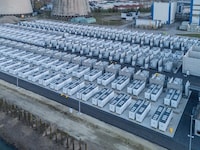
Rodan Energy is developing an on-site battery project for St. Marys Cement's Bowmanville, Ontario, plant to shift electricity use away from peak hours while keeping essential operations running. The 50-MWh system sits behind the meter, on the plant side of the utility connection.
Rodan will fund, own, and operate the asset through 'FlexOps,' so St. Marys Cement avoids upfront capital spending. At 50 MWh, it is the largest behind-the-meter battery installation to date in Canada and VCNA's first project of this type.
FlexOps ownership turns battery storage into a managed energy purchase instead of a plant-funded construction project, which can make resilience upgrades easier for large industrial sites to approve. Canada's largest behind-the-meter cement battery strengthens the case for similar systems at other energy-intensive facilities seeking lower power co
Image Credit: Rodan Energy
What's Driving This Trend
- Behind-the-meter Storage
- Industrial-scale batteries located on-site are creating new pathways for peak-load reduction, energy resilience, and utility cost control in heavy manufacturing environments.
- Storage-as-a-service
- Third-party ownership models are reframing energy storage as an operating expense, making advanced infrastructure more accessible to capital-sensitive industrial operators.
- Industrial Load Flexibility
- Energy-intensive facilities are becoming grid-responsive assets as flexible power management systems help shift demand without interrupting critical production processes.
Who This Affects Most
- Cement Manufacturing
- Cement plants present strong potential for embedded storage systems that reduce peak electricity exposure while supporting continuous, high-load operations.
- Energy Management
- Managed battery platforms are expanding the role of energy service providers from advisory support to long-term ownership and operation of industrial power assets.
- Battery Storage
- Large behind-the-meter installations are broadening market demand for storage technologies tailored to complex industrial sites rather than conventional grid-scale deployments.