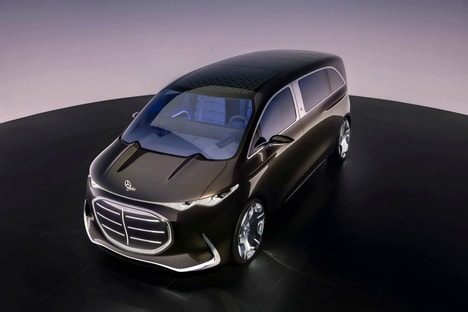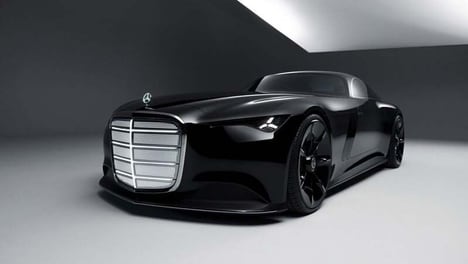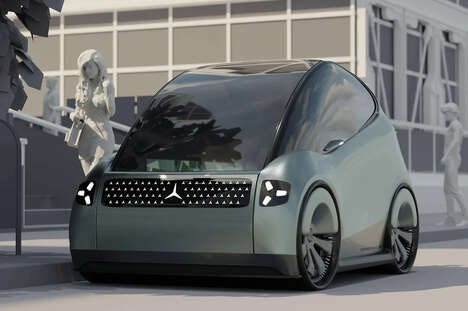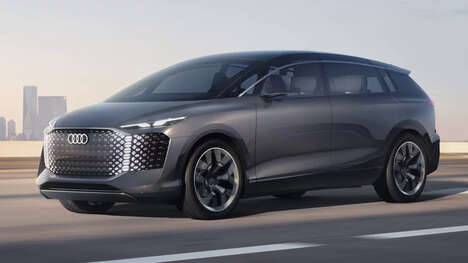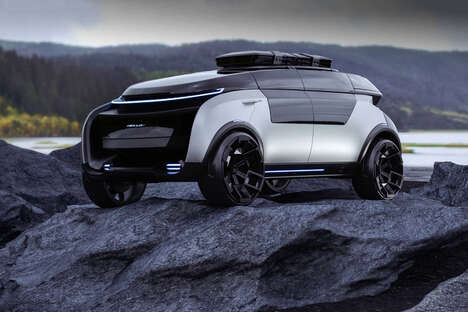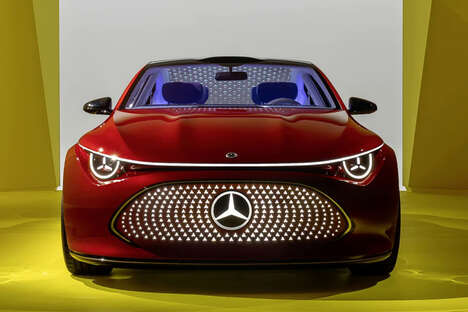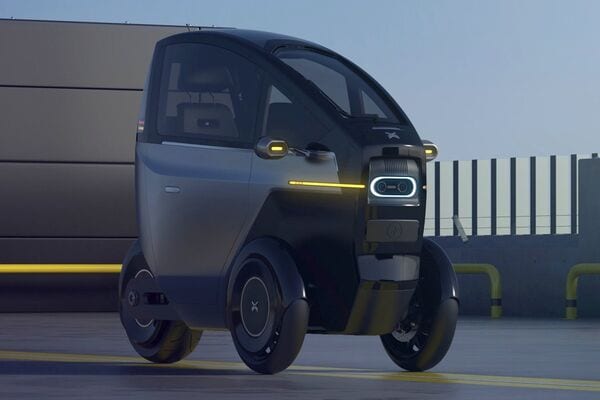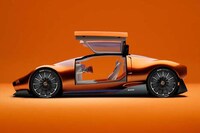
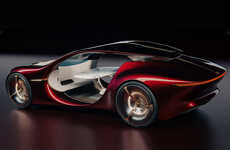
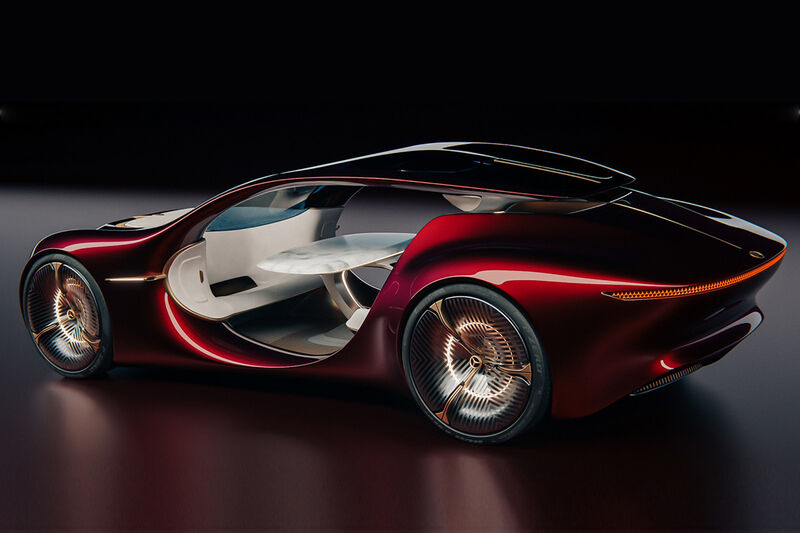
The conceptual Mercedes-Benz Vision Duet has been designed by Lujie Huang as a futuristic transportation solution that's imagined for the year 2035 when autonomous electric vehicles are expected to be the norm. The vehicle is built with a passenger-focused interior cabin and an aerodynamic exterior that enable it to reach high speeds without creating too much additional drag. The open-concept passenger space helps to create an airy feeling that puts a focus on enjoying the view instead of constantly feeling restricted within the compact interior space.
The conceptual Mercedes-Benz Vision Duet was eloquently explained by Huang who said, "The objective is to capture the magical moments of user experience offered by autonomous vehicles as a part of our lifestyles.”
What's Driving This Trend
- Autonomous Electric Vehicles
- Disruptive innovation opportunity: Develop advanced technologies for autonomous electric vehicles to enhance passenger experience and optimize performance.
- Passenger-focused Interiors
- Disruptive innovation opportunity: Design innovative interiors for vehicles that prioritize passenger comfort and enjoyment of the journey.
- Aerodynamic Exteriors
- Disruptive innovation opportunity: Create lightweight and aerodynamic exteriors for vehicles to improve efficiency and speed.
Who This Affects Most
- Automotive
- Disruptive innovation opportunity: Integrate advanced technologies in the automotive industry to develop autonomous electric vehicles with passenger-centric features.
- Interior Design
- Disruptive innovation opportunity: Collaborate with automakers to revolutionize vehicle interiors and enhance the passenger experience in autonomous electric vehicles.
- Aerospace
- Disruptive innovation opportunity: Apply aerodynamic and lightweight design principles from the aerospace industry to improve the efficiency and speed of autonomous electric vehicles.