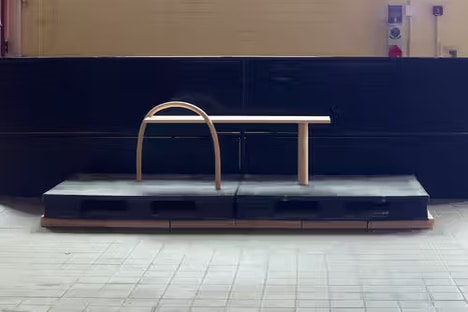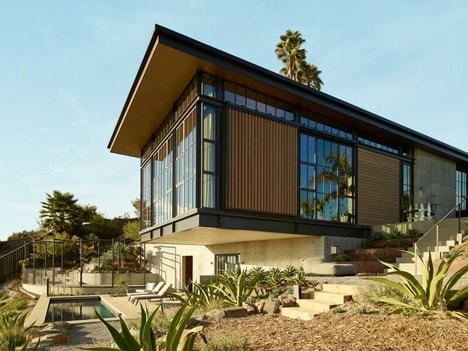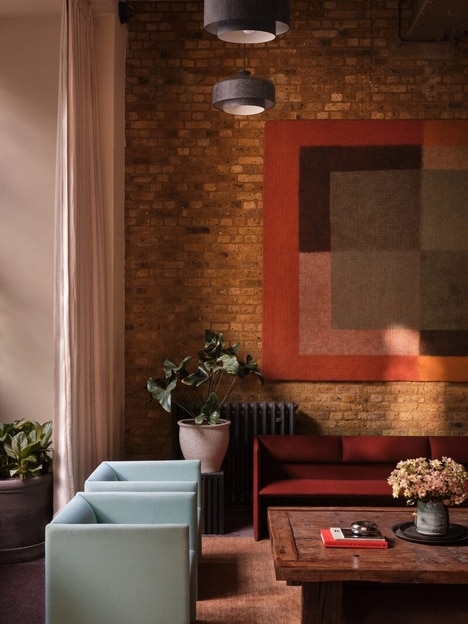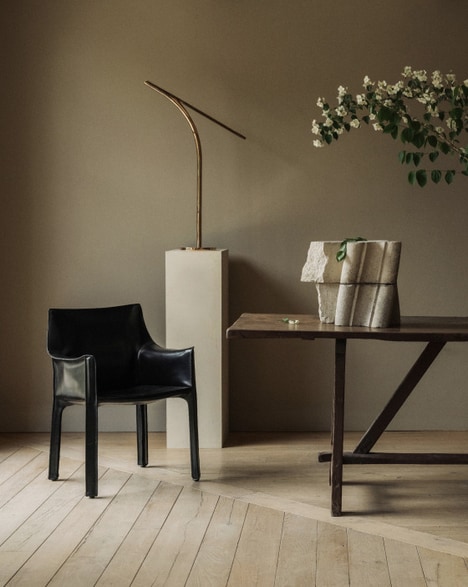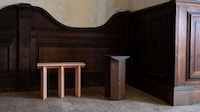
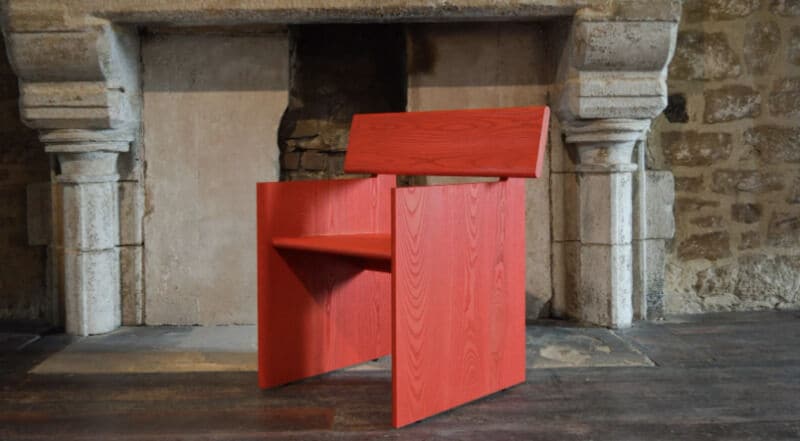
A group of designers and academics are exploring the meanings and implications of medieval design in the contemporary moment. Their efforts have culminated in a curious exhibition that occupies the Aydon Castle which dates back to the 13th century and is considered "one of the best-preserved fortified manor houses in England." The exhibition is cleverly named '(Re)imagining Aydon.'
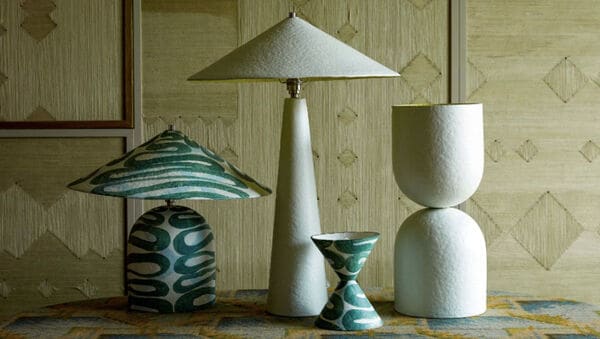
Various objects adorn the historic castle. Amongst them are a bright red wooden chair that takes cues from medieval design, The Sentinel chair by Mac Collins and Joe Franc, a lounge chair assembled from offcuts by Rickard Whittingham, the Aperture vessels, a pair of candleholders, and more.
The exhibition, which was initiated by Anthony Forsyth, a senior lecturer at Northumbria University School of Design, responded to the castle's history.
Image Credit: Dezeen
What Makes This Trend Stand Out
- Medieval Design Revival
- The use of medieval design elements in modern products and exhibits creates a unique sense of nostalgia and craftsmanship.
- Historic Site Utilization
- Using historical sites for modern exhibits and designs highlights their beauty and importance while providing a unique platform for artistic expression.
- Cultural Exploration Through Design
- Exploring different historical periods and their meanings through design provides insight into past cultures and creates opportunities for new interpretations in the present day.
Sectors Adopting This
- Interior Design
- The integration of medieval design elements into modern furniture and decor offers a unique aesthetic for home and commercial spaces.
- Museums and Exhibitions
- Using historical sites for modern exhibits and designs provides a new way of experiencing history and can encourage increased tourism and interest in cultural preservation.
- Academic Research and Education
- Exploring historical design and its meanings can provide valuable insight into past cultures and encourage further learning and appreciation for the arts.