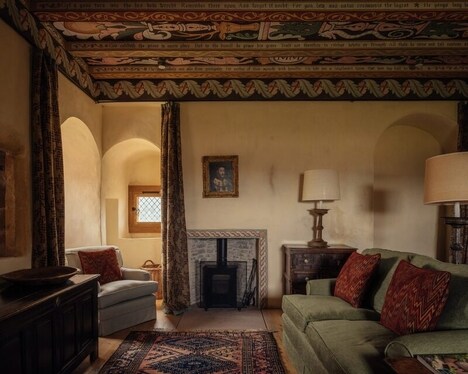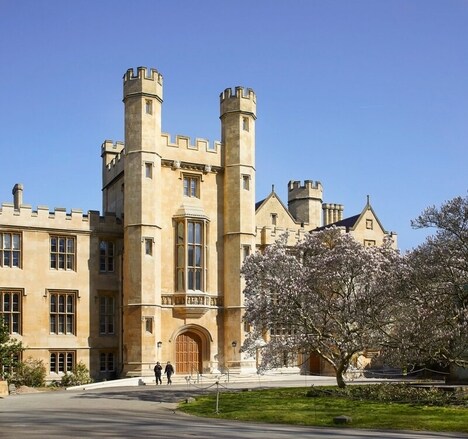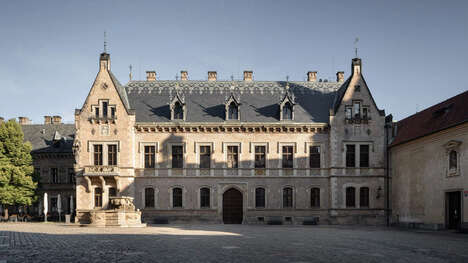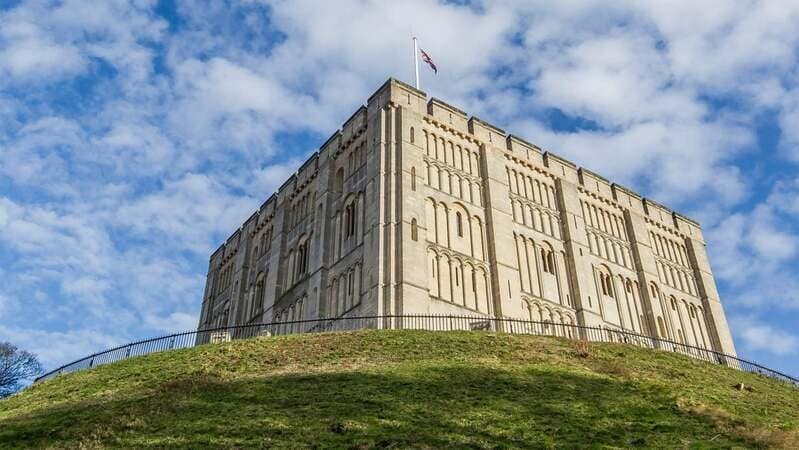
The Norwich Castle restoration, led by Feilden and Mawson, reopens the medieval fortress as an accessible and renewed heritage site. After five years and a £37 million refurbishment, the Grade I listed landmark now allows visitors across all five floors, reinstating medieval chambers while introducing modern amenities that emphasize comfort and inclusivity.
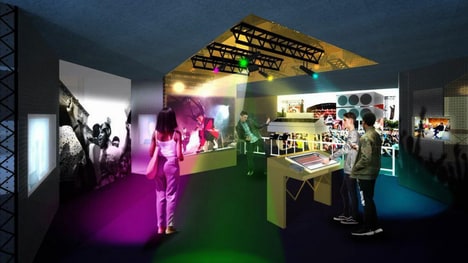
The project preserves the Norman-era Caen limestone façade while enhancing the visitor experience with carefully considered interventions. A new lift provides wheelchair access from basement to battlements, while a glass atrium entrance frames the east side to improve circulation. A bridge now connects the restored castle to the adjacent museum wing, expanding opportunities for public engagement. Multisensory installations including tactile maps, immersive projections, and an interactive medieval gallery created with the British Museum bring history to life for a wide range of audiences.
Image Credit: Norfolk Museums Service
What's Driving This Trend
- Heritage Site Renewals
- Integrating modern amenities into historic sites creates opportunities for preserving cultural heritage while enhancing visitor accessibility and engagement.
- Inclusive Architecture
- Incorporating universal design elements, such as wheelchair-accessible lifts and multisensory installations, addresses inclusivity in public spaces, setting new standards for historical sites.
- Immersive Visitor Experiences
- Utilizing technology like tactile maps and interactive projections offers a dynamic approach to historical education, enhancing understanding and engagement across diverse audiences.
Who This Affects Most
- Cultural Heritage Restoration
- Specializing in renewing historical landmarks combines expertise in preservation with innovative practices to maintain cultural significance and public relevance.
- Accessible Design
- The field of accessible architecture is evolving to include comprehensive solutions that ensure equal access and enjoyment of heritage sites for all individuals.
- Interactive Museums
- Museum curation increasingly leverages digital technologies to create engagement-driven visitor experiences that resonate with contemporary educational trends.