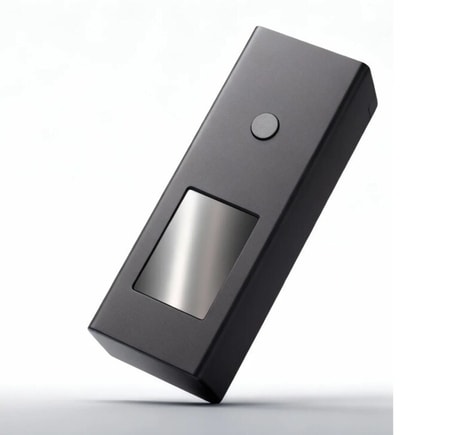
Carestream Healthcare International has released two new medical imaging devices — the Lux HD 35 and Lux HD 43 Detectors. These innovations represent a next-generation advancement in X-ray detection technology. They feature a glass-free design with cesium iodide and a 100 micrometer pixel pitch for superior image resolution.
Carestream Healthcare International's next-gen medical imaging devices allow radiologists to magnify images while maintaining clarity. The detectors promise to improve visibility of small anatomical structures and tiny abnormalities that might otherwise be missed with standard detectors. The Lux HD 35 and Lux HD 43 Detectors incorporate a new technology called DEC for wireless mode, which enhances dose control efficiency and extends automatic exposure control functionality to mobile applications and exams performed outside traditional bucky stands. Additional design improvements include lightweight and ergonomic construction for easier handling, increased ruggedness for durability in busy clinical environments, and an improved IP rating for better protection against dust and moisture.
Image Credit: Carestream Healthcare International
Why This Trend Is Growing
- Glass-free Detectors
- Glass-free X-ray detector designs create room for lighter, more durable imaging hardware that can improve clinical mobility without sacrificing diagnostic detail.
- High-resolution Radiography
- Sharper pixel architectures and advanced scintillator materials are expanding the ability to detect subtle anatomical features and early-stage abnormalities in routine exams.
- Mobile Dose Control
- Wireless exposure control capabilities signal a shift toward safer, more consistent imaging performance across bedside, emergency, and nontraditional care settings.
Industries Being Reshaped
- Medical Imaging
- Next-generation detector platforms are reshaping radiology workflows through higher clarity, enhanced portability, and improved resilience in high-volume diagnostic environments.
- Healthcare Technology
- Connected imaging hardware with embedded dose management features reflects growing demand for clinical tools that combine precision, usability, and operational flexibility.
- Hospital Equipment
- Rugged, ergonomic diagnostic devices are influencing procurement priorities as healthcare facilities seek equipment suited to mobile exams and demanding clinical conditions.