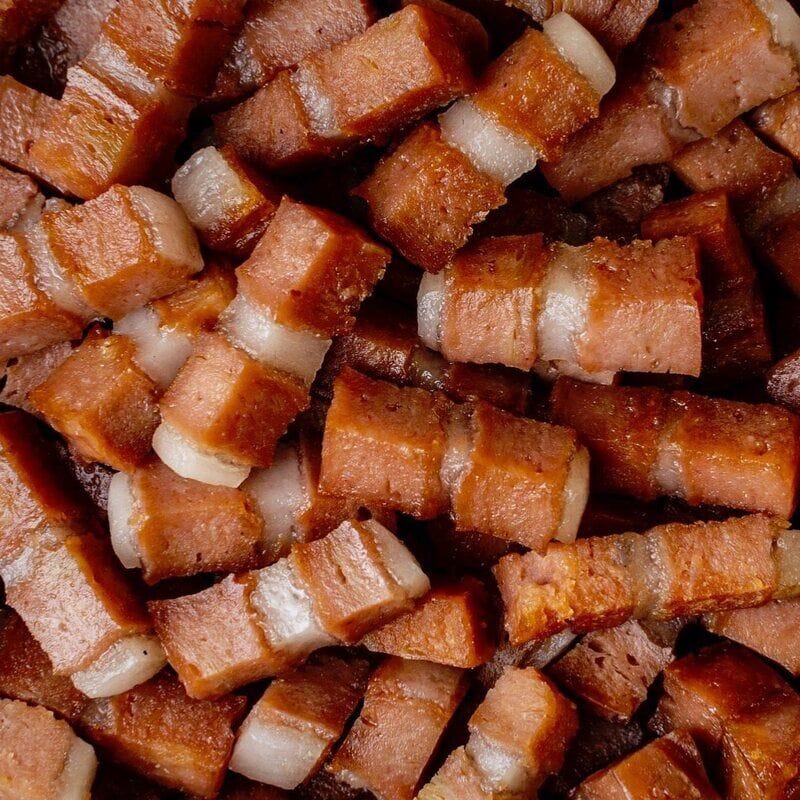
La Vie makes meat-free bacon that tastes like pork using soy, sunflower oil and konjac. This meatless alternative was created to crackle, caramelize and add taste and texture to a variety of dishes, all without animal ingredients. The versatile cubes are packed with protein and fueled by 90% European ingredients. In comparison to their animal-based counterparts, these pork-like cubes boast 33% fewer calories, 60% less fat, 11 times less saturated fat and 15 times more fiber. Additionally, these cubes are produced in a way that requires fewer resources and land use.
Academy Award-winning actor Natalie Portman recently invested in the innovative French food-tech start-up, which recently closed a $28.3 million funding round for a record-setting number in the French alternative protein space.
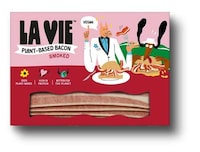
Soon, La Vie will be expanding its range to include meatless bacon strips.
Key Themes Behind This Trend
- Meatless Food
- The trend of meatless food is on the rise, creating opportunities for vegan and vegetarian options to reach a wider audience with meat-like texture and taste.
- Alternative Protein
- The alternative protein industry is growing rapidly as consumers seek out innovative, plant-based substitutes for traditional animal-based products.
- Sustainable Farming
- Sustainable farming and resource-efficient production methods present disruptive innovation opportunities for the food industry to address environmental concerns and promote more ethical consumption.
Where This Applies
- Food-tech
- The food-tech industry presents opportunities for innovation in the development of plant-based meat substitutes, such as La Vie's meatless bacon cubes.
- Vegan Food
- The vegan food industry has the potential for growth as consumers become more health-conscious and environmentally aware, seeking out alternatives to traditional animal-based products.
- Agriculture
- The agriculture industry can benefit from sustainable farming practices that reduce resource usage and promote ethical consumption, leading to more environmentally friendly and socially responsible food production methods.