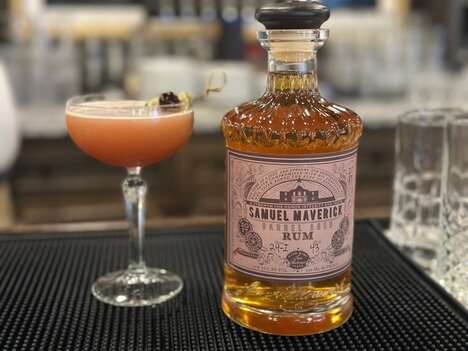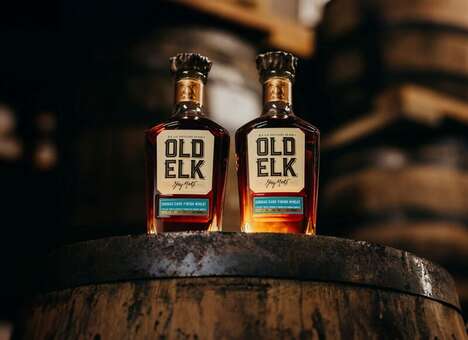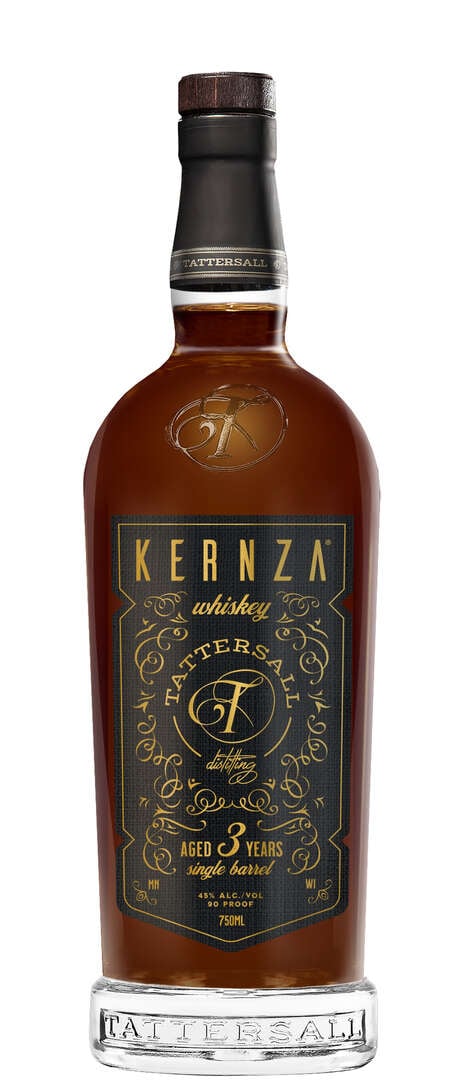
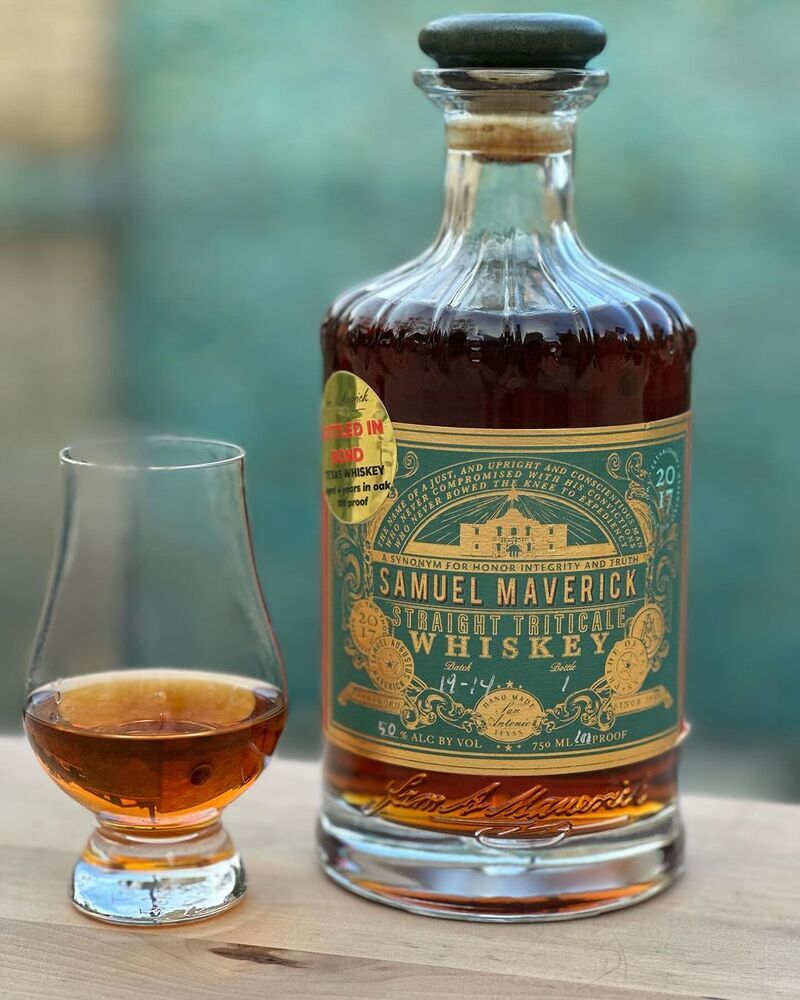
The newest Bottled-in-Bond whiskey by Maverick Distilling, Samuel Maverick Straight Triticale Whiskey, turned a mix-up into a happy accident. “We ordered several thousand pounds of rye grain to produce our Rye Whiskey,” said brand owner Sam Maverick, “Through a mix-up at the silos, the grain we received labeled as rye turned out to be triticale. In true Maverick fashion, we decided that when life gives you triticale, make fine Texas Whiskey."
With aromas of toasted cereal and spicy caramel, light caraway and toasted wheat berries, this expression shares notes of sweet butterscotch and grain-forward spice that gives way to orange zest, nutty pecan pralines, smoke and cinnamon wheat toast.
This small-batch release is produced following the criteria established in the 1897 Bottled-in-Bond Act, which protects the integrity and authenticity of aged spirits in the United States.
What's Driving This Trend
- Grain Substitution Innovation
- Repurposing mistakenly ordered grain like triticale showcases how unexpected supply chain issues can lead to novel product offerings.
- Artisanal Flavored Whiskies
- The creation of unique whiskey flavors using unconventional grains highlights the potential for developing distinct, region-specific spirits.
- Historic Production Methods
- Utilizing the Bottled-in-Bond Act's criteria emphasizes the market's appreciation for traditional and legally protected craft spirit production techniques.
Who This Affects Most
- Craft Distilleries
- Craft distilleries can take advantage of grains initially intended for other uses, leading to the development of unique spirit profiles.
- Agricultural Supply Chain
- The agricultural supply chain benefits from the flexibility to repurpose grains for different industries when mix-ups occur.
- Flavor and Ingredient Sourcing
- There is an emerging market for alternative grains in whiskey production, driving demand for diverse ingredient sources.