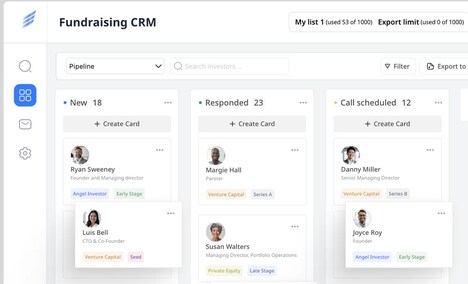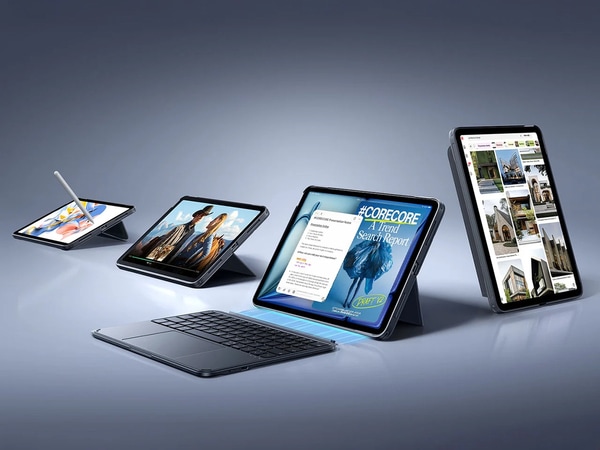
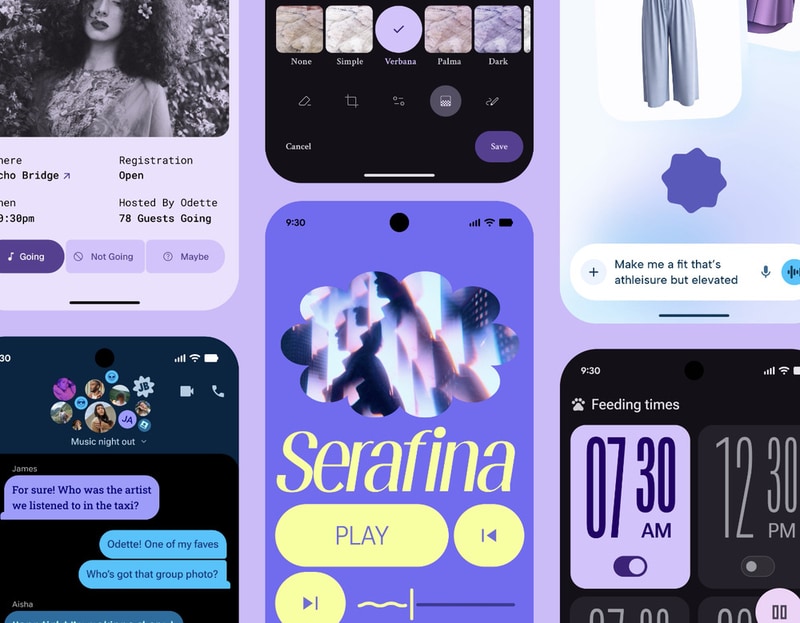
Material Design is a design system developed to guide the creation of consistent and user-focused digital interfaces. It provides a framework of design principles, components, and guidelines supported by open-source code, enabling teams to build cohesive experiences across web and mobile applications.
The system emphasises usability, accessibility, and visual consistency, offering reusable elements such as typography, colour schemes, and interface components. It is widely used by designers and developers to standardise design processes and reduce the need to create UI patterns from scratch. Material Design also evolves over time, incorporating updates that reflect changing user expectations and technological capabilities. For businesses, it supports faster product development and improved user experience by aligning design and development workflows. Its adoption reflects broader trends toward scalable, system-based approaches to digital product design.
Image Credit: Material Design
What Makes This Trend Stand Out
- Scalable Design Systems
- Widespread adoption of unified frameworks enables platforms to deliver consistent cross-product experiences that can reduce design debt and accelerate feature parity.
- Design-developer Convergence
- Increasing alignment between design specifications and codebases creates opportunities for tighter tooling that dissolves handoff inefficiencies and preserves visual fidelity at scale.
- Component-led Engineering
- Reusable UI components and pattern libraries support modular product architectures that can drastically shorten iteration cycles and simplify accessibility compliance.
Sectors Adopting This
- Enterprise Software
- Standardized design systems can transform large-scale internal applications by streamlining onboarding and reducing maintenance costs across distributed teams.
- E-commerce Platforms
- Consistent interface components enhance conversion-focused experiences and allow rapid experimentation of merchandising and checkout flows.
- Financial Services
- Robust, accessible UI frameworks can improve trust and usability in complex transactional products while enabling regulatory-aligned UI consistency.