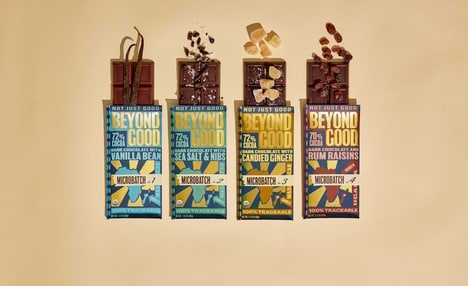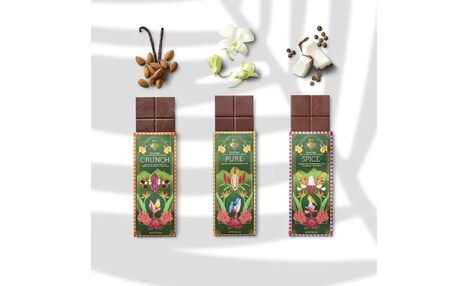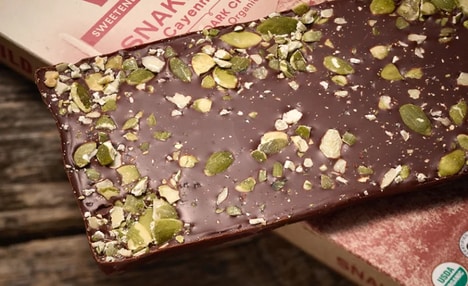
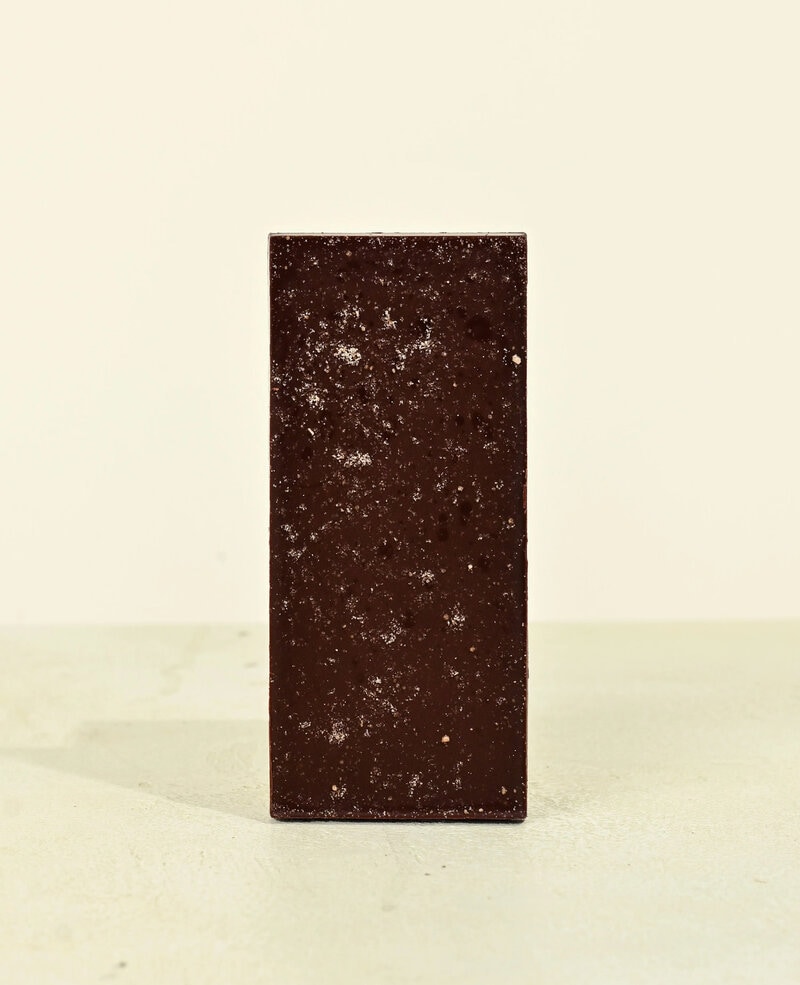
A Maine Maple Sugar bar is the newest addition to Seahorse Chocolate's Bird Friendly certified range, made with cacao certified by the Smithsonian Migratory Bird Center. This new bean-to-bar chocolate is about more than bringing together cacao and maple sugar, and tasting like "a Belgian waffle piled with wild berries and warm maple syrup"—it tells the stories of two farms that are 1,500 miles apart but serve as an important habitat for migratory birds.
In the Dominican Republic's Cibao Valley, Zorzal Cacao is famous for being the first cocoa farm certified as Bird Friendly by the Smithsonian. After spending the winter in the safe, protected habitat, migratory birds fly north. Gray Jay Maple Works is recognized for its sugarbush, which supports nesting and migratory birds, and this bar uses ingredients to tell the tale of both farms' commitment to conservation.
What Makes This Trend Stand Out
- Conservation-certified Sweets
- Premium confections tied to biodiversity certifications create new value around verified habitat protection and ingredient transparency.
- Cross-region Farm Storytelling
- Products connecting distant farms through shared ecological narratives can deepen consumer engagement beyond flavor and origin claims.
- Habitat-based Ingredient Pairings
- Ingredient combinations linked by migratory pathways or shared conservation outcomes introduce fresh differentiation in sustainable food branding.
Sectors Adopting This
- Specialty Chocolate
- Bean-to-bar makers can stand out by pairing ethical cacao sourcing with third-party conservation credentials that signal environmental impact.
- Maple Products
- Maple producers gain premium positioning when sugarbush stewardship is framed as part of broader wildlife and migratory bird habitat systems.
- Sustainable Agriculture
- Certification models that connect crop quality with biodiversity outcomes are reshaping how farms communicate ecological responsibility to consumer markets.