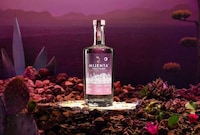

While tequila is most famously associated with Jalisco, where the town of Tequila is located, it can also be legally produced in select municipalities across Nayarit, Guanajuato, Michoacán, and Tamaulipas—and Mijenta Tequila’s Maestra Selection No. 2 sources agave from all five of Mexico's tequila-producing states.
"This release was an opportunity not only to explore how the environmental conditions across Mexico shape the taste profiles of the agaves, but to celebrate the land and culture that has given birth to this spirit," expressed Ana María Romero, maestra tequilera at Mijenta Tequila, "It was incredible to see how the different soil compositions, elevations, rainfall, and cultivation practices have created such drastically different profiles in the agave.”
Image Credit: Christopher Bain, Mijenta Tequila
Why This Trend Is Growing
- Regional Terroir Influence
- Exploring the diverse environmental influences on tequila by sourcing agave from multiple Mexican states reveals unique flavor profiles that appeal to discerning palates.
- Cultural Heritage Integration
- Incorporating regional culture and traditional practices into tequila production enriches the narrative and appeal of the beverage, creating a deeper connection with consumers.
- Eco-conscious Craftsmanship
- Producing tequila with an awareness of diverse agricultural practices across different regions highlights the importance of sustainability and environmental stewardship in the spirits industry.
Industries Being Reshaped
- Craft Beverage Production
- Blending agaves from distinct regions within tequila's legal production area introduces opportunities for unique product offerings that stand out in the crowded craft spirits market.
- Agricultural Innovations
- Understanding how diverse climates and soil conditions affect agave growth can drive agricultural advancements and more resilient crop cultivation strategies.
- Cultural Tourism
- Highlighting tequila's regional stories and distinct production methods could enhance cultural tourism experiences, attracting travelers interested in authentic, location-based learnings.