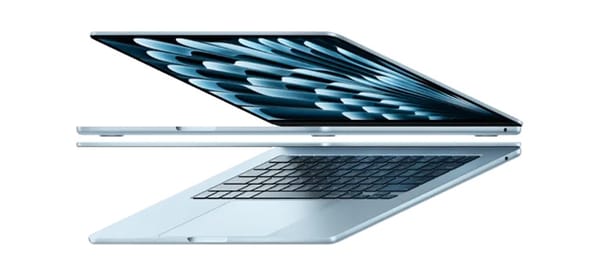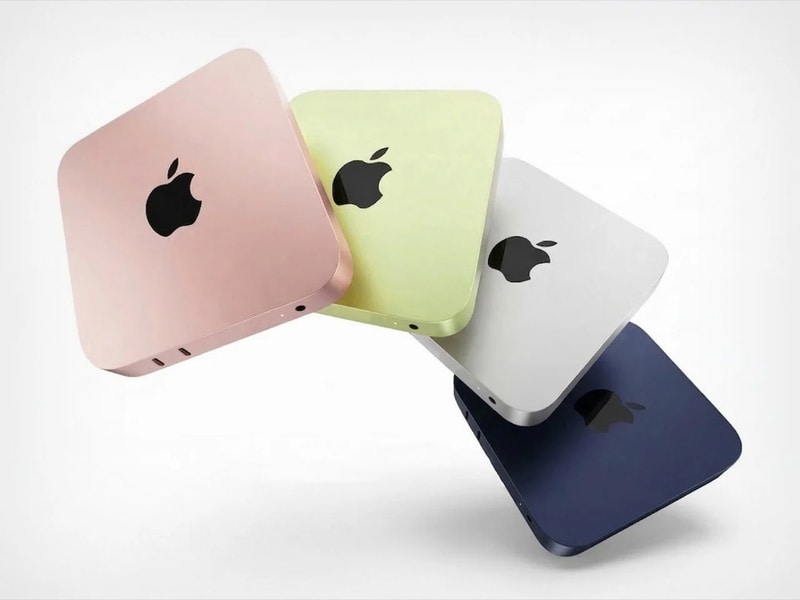
The Mac Neo concept envisions a compact Apple desktop powered by the A18 Pro chip, reimagining how the company’s mobile silicon could be used in a more affordable Mac computer. The Mac Neo concept proposes a small desktop built around the same processor architecture used in newer Apple devices, pairing a low-power chip with passive cooling and a simplified internal layout. Apple’s A18 Pro platform includes a six-core CPU, five-core GPU, and a 16-core Neural Engine designed for AI tasks and efficient everyday performance.
The design imagines a minimalist aluminum enclosure that sits between a Mac mini and an iMac in scale, targeting students, developers, and entry-level creators. The concept frames the device as part of a new “OpenClaw era,” referring to a speculative shift toward Apple devices built around AI-accelerated workloads and tighter integration between desktop and mobile silicon.
Image Credit: Apple
Why This Trend Is Growing
- Compact AI-first Desktops
- A move toward small-form-factor desktops optimized for on-device AI workloads that combine portability with sustained inference performance.
- Mobile-silicon in Desktop Form
- Integration of smartphone-class processors into desktop designs enabling high efficiency and lower BOM costs while retaining substantial compute for everyday and AI tasks.
- Passive-cooled AI Workstations
- A preference for fanless enclosures leveraging low-power chips to deliver quiet, reliable AI-accelerated computing in constrained thermal envelopes.
Industries Being Reshaped
- Personal Computing
- Wider adoption of ARM-based, AI-capable desktops challenging traditional x86 performance-cost tradeoffs and redefining entry-level workstation expectations.
- Education Technology
- Demand from students and institutions for affordable, AI-enabled machines that support learning, lightweight development, and content creation workflows.
- Creative Software Tools
- Optimization of creative applications for Neural Engine-style accelerators leading to new lightweight, offline AI features for editing, rendering, and generative tasks.