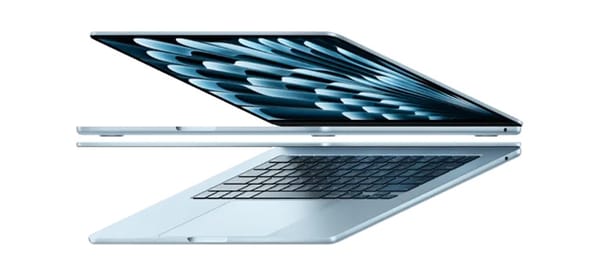

The Apple MacBook Neo laptop has been debuted as the tech brand's latest piece of computing hardware that's focused on accessibility and a fun, playful design. The laptop has an aluminum construction for the body with a 13-inch Liquid Retina display and is powered by the A18 Pro chip that was originally debuted in the iPhone 16 series smartphones. These features enable the laptop to maintain a lower price point, while the playful finish options in blush, indigo, silver and citrus colors give it an inherently youthful design that will be appealing to students.
The Apple MacBook Neo is priced starting at $599 and is rated to deliver up to 16-hours of use per charge. The laptop also features a 1080p FaceTime HD camera, Spatial Audio speakers on either side and built-in artificial intelligence (AI) features to handle on-device processes.
What Makes This Trend Stand Out
- Smartphone-chip Laptops
- Integrating high-efficiency mobile SoCs into notebooks is enabling thinner, cooler, and more battery-efficient laptops that could redefine performance-per-watt expectations in mainstream computing.
- Affordable Premium Design
- Lowering price points while applying premium materials and playful colorways is creating mass-market devices with aspirational styling that challenge traditional premium-tier segmentation.
- On-device AI Computing
- Shifting AI workloads to local processors is reducing cloud dependence and latency, enabling privacy-preserving features and new classes of offline intelligent applications.
Sectors Adopting This
- Consumer Electronics
- The convergence of smartphone chips and laptop form factors is prompting a rethink of product roadmaps, component sourcing, and lifecycle support across personal computing devices.
- Education Technology
- Budget-friendly, long-battery-life laptops with engaging designs are influencing adoption patterns in schools and student markets, potentially altering procurement and content distribution models.
- Semiconductor Licensing
- Repurposing mobile SoCs for broader device categories is shifting demand toward versatile IP blocks and licensing arrangements that can capture value beyond smartphones.