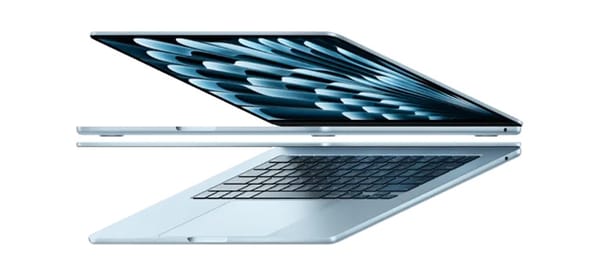
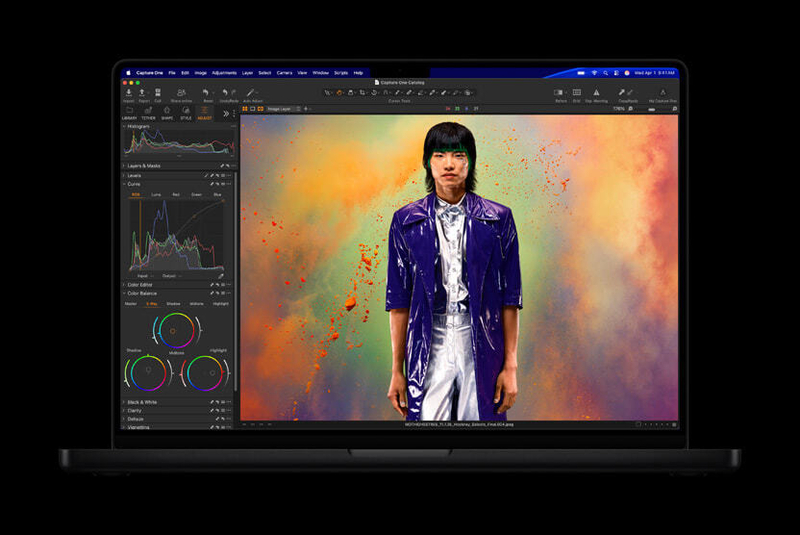
The latest MacBook Pro models have been announced with the all-new M5 Pro and M5 Max chips that will offer advanced everyday productivity capabilities alongside on-device artificial intelligence (AI) processes.
The laptops will come in the same 14-inch and 16-inch models with a 1TB starting storage option with support for WiFi 7 and Bluetooth. Users will be able to enjoy up to 24-hours of battery life with a Liquid Retina XDR screen with a nano-texture option. The laptops will allow for advanced large language models (LLMs) to run on-device to tap into a variety of workflow capabilities that other systems on the market can't do.
Senior Vice President of Hardware Engineering John Ternus spoke on the latest MacBook Pro models saying, "With Neural Accelerators in the GPU, the new MacBook Pro enables professionals to run advanced LLMs on device and unlock capabilities that no other laptop can do — all while maintaining exceptional battery life. Combined with even faster unified memory and storage, it empowers users to take their work even further, unleashing new possibilities and pushing the boundaries of what they can do.”
What's Driving This Trend
- On-device Llms
- Local large language models running directly on laptops enable low-latency, private AI workflows that can reshape software ecosystems and user expectations.
- Neural Accelerator Integration
- Dedicated neural processing units embedded in consumer GPUs increase model throughput and open possibilities for specialized AI features previously reserved for cloud infrastructure.
- Battery-efficient AI Computing
- Extending battery life while supporting intensive AI workloads allows sustained mobile productivity and reframes trade-offs between performance and portability.
Who This Affects Most
- Professional Content Creation
- Creators stand to benefit from high-performance on-device models that can perform real-time editing, generative content, and intelligent assistance without cloud dependence.
- Enterprise Security and Privacy
- Corporate IT environments can leverage local AI execution to reduce data exposure and enforce compliance while enabling advanced analytics at the endpoint.
- Edge Computing Hardware
- Manufacturers of chips and laptops can capitalize on demand for optimized neural accelerators and thermal designs that deliver datacenter-class AI capabilities at the edge.