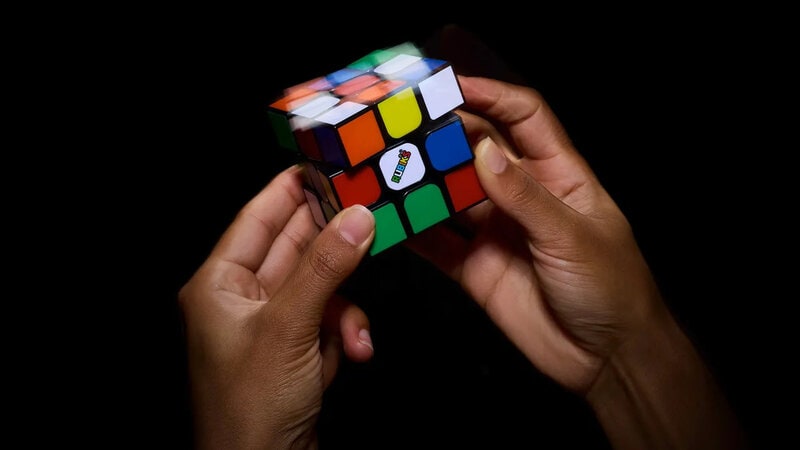
Spin Master has given the Rubik’s Cube its first major redesign in more than 50 years, making the classic puzzle smoother and easier to turn without changing its familiar 3×3 format. The updated version is designed to appeal to everyone from longtime fans and speed cubers to people who simply enjoy having something to fiddle with.
The changes are mostly on the inside. Softer springs allow the cube to flex as it turns, while rounded internal edges help the pieces move with less resistance. The outside gets a matte finish for better grip and less glare, but the challenge remains the same, with more than 43 quintillion possible arrangements.
The result is a cube that feels noticeably different in the hand while keeping the puzzle that made it famous. Whether you're trying to solve it as quickly as possible or just twisting it absent-mindedly at your desk, the redesign gives the decades-old toy a fresh feel.
Image Credit: Spin Master Ltd.
What Makes This Trend Stand Out
- Low-friction Classics
- Legacy products gain renewed relevance when internal engineering upgrades improve feel, speed, and usability without disrupting familiar formats.
- Fidget-friendly Gaming
- Tactile play objects are expanding beyond competition and nostalgia as desk-friendly tools for focus, stress relief, and casual engagement.
- Performance Puzzle Design
- Speed-oriented communities are influencing mainstream toy redesigns through demand for smoother mechanics, better grip, and more responsive handling.
Sectors Adopting This
- Toys and Games
- Established play brands can modernize iconic products by refining material performance and ergonomics while preserving recognizable core experiences.
- Consumer Goods
- Everyday objects with subtle sensory upgrades create differentiation in mature categories where small design changes can meaningfully alter user perception.
- Hobby and Collectibles
- Enthusiast-driven product improvements support premiumization as collectors and skilled users seek optimized versions of familiar cultural artifacts.