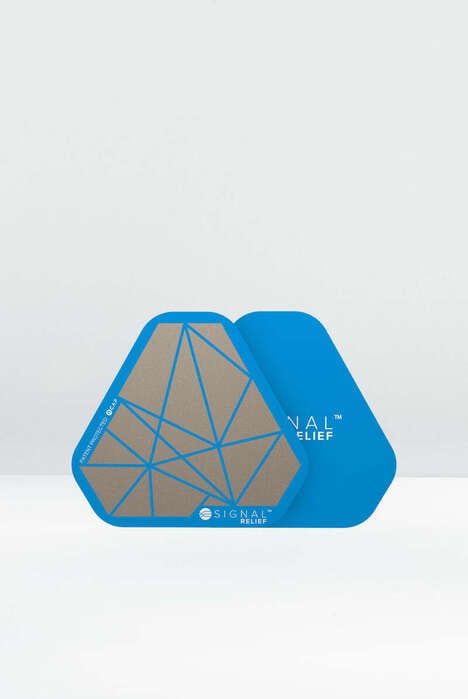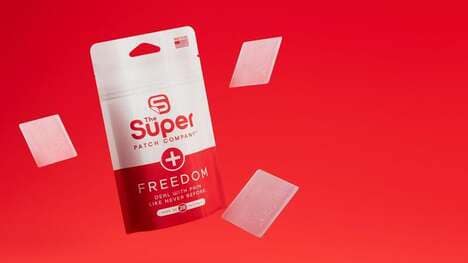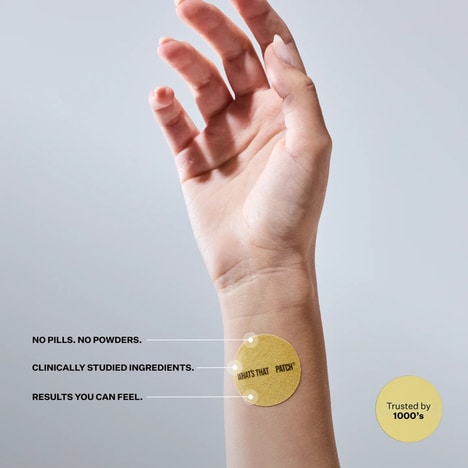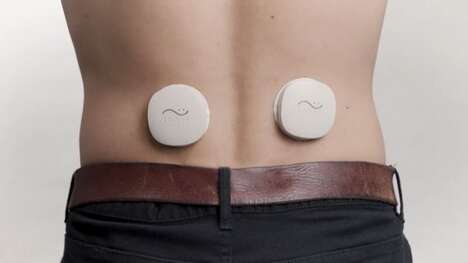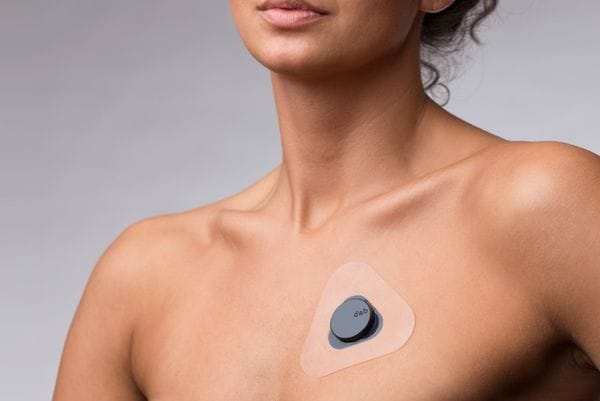
For the millions of people that suffer from long-term pain, opoids and stronger medications are one of the few forms of relief. While effective, these medications often result in complications that include insomnia, liver damage, low blood pressure and addiction. To combat this, researchers have been striving toward the development of a chronic pain patch which intends to "help patients effectively participate in managing their own pain without fear of becoming dependent on medications."
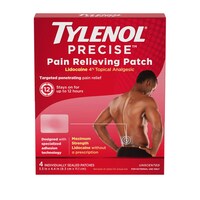
The patch will provide localized relief using a non-addictive medication called Lidocaine. Once the patch is placed on the area, the topical medicine can be absorbed into the skin, offering relief. Meanwhile the patch will warm up to sooth and relax the muscles, keeping the patient as comfortable as possible during these personal pain management sessions.
What Makes This Trend Stand Out
- Non-addictive Pain Management
- This trend focuses on the development of non-addictive alternatives to pain medications, such as chronic pain patches, to provide relief without the risk of addiction.
- Localized Pain Relief
- This trend highlights the use of targeted treatments, like chronic pain patches, to provide relief to specific areas of the body affected by chronic pain.
- Personalized Pain Management
- This trend emphasizes empowering patients to actively participate in their own pain management through the use of solutions like chronic pain patches.
Sectors Adopting This
- Pharmaceuticals
- The pharmaceutical industry can explore opportunities to develop and market non-addictive pain relief solutions like chronic pain patches.
- Healthcare
- The healthcare industry can adopt and integrate innovative pain management methods, such as chronic pain patches, into their patient care practices.
- Wellness and Medical Devices
- The wellness and medical device industry can develop advanced pain relief technologies, like chronic pain patches, to offer consumers effective non-addictive alternatives for managing chronic pain.