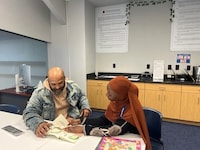

The Living Room at Princeton is an outpatient behavioral health center that has broadened its clinical offerings for teenage patients.
The organization recently introduced new programs specifically designed to address mental health conditions and dual-diagnosis cases, which involve the simultaneous treatment of substance use and a co-occurring psychological disorder. These services are delivered through structured, non-residential programs known as Partial Hospitalization (PHP) and Intensive Outpatient (IOP). These programs are expected to provide a higher level of support than traditional therapy while allowing participants to continue living at home.
The Living Room at Princeton's treatment philosophy emphasizes creating a supportive and non-judgmental environment where adolescents can develop coping skills and self-awareness. The therapeutic model integrates conventional clinical methods, such as individual and family counseling, with experiential activities including art and physical education, and is structured to accommodate academic schedules with both morning and afternoon sessions available.
Image Credit: The Living Room at Princeton
Why This Trend Is Growing
- Teen-specific Dual-diagnosis Treatment
- Development of integrated programs for addressing both mental health and substance use issues in teens exemplifies a shift towards comprehensive adolescent-focused care.
- Partial Hospitalization Programs (PHP)
- Offering structured mental health programs that allow teens to receive intensive care while living at home presents an alternative to traditional inpatient services.
- Experiential Therapy Integration
- Incorporating activities like art and physical education into mental health treatment plans highlights the growing trend of holistic and engaging therapy modalities.
Industries Being Reshaped
- Adolescent Mental Health Services
- A surge in specialized teenage mental health care indicates a rising demand for age-appropriate psychological support systems.
- Substance Abuse Treatment for Youth
- Innovative approaches targeting the dual-diagnosis challenge in young people signal the transformation of substance abuse recovery methods.
- Education-health Collaboration
- Programs accommodating academic commitments illustrate the expanding intersection of educational and healthcare services in supporting student well-being.