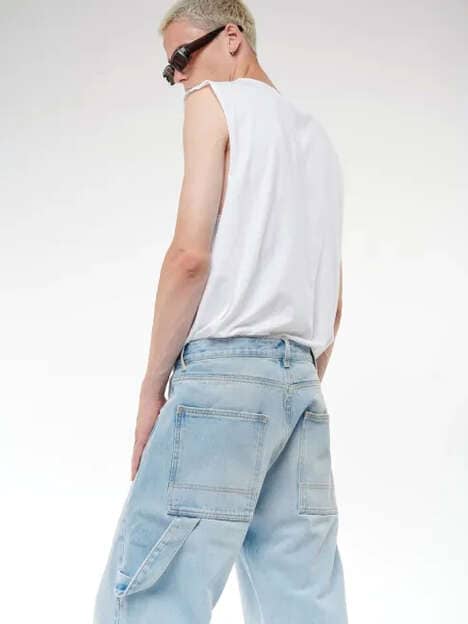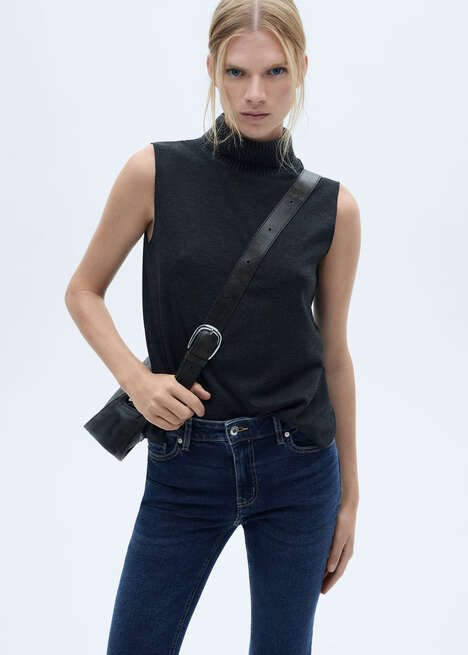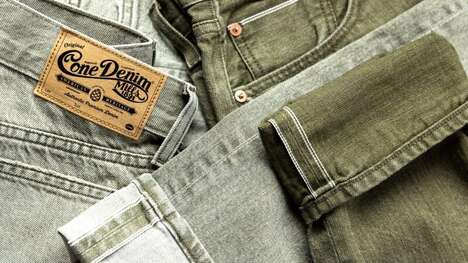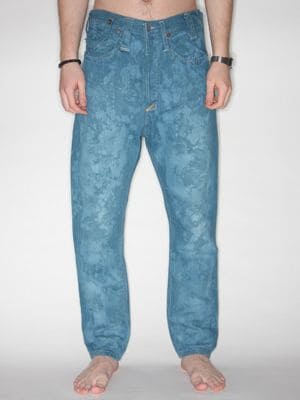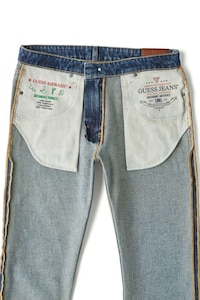


Levi’s has created a new line of denim products called Waste Less, which will use less water than ever before and incorporate recycled plastic bottles into manufacturing. Each pair will contain an average of 8 post-consumer plastic bottles collected from regional recycling programs.
The production of denim takes a significant amount of water and cotton, so the new collection is refreshing news for those who would rather opt for more sustainable jeans. Many of Levi’s favorite cuts, including the 511 and 504, are being created using the new process, which is coming as good news to die-hard fans of the denim brand. Can’t wait to get your hands on a pair? The new eco-friendly duds will be available in January 2013 in stores around the world, as well as online at Levis.com.
What Makes This Trend Stand Out
- Sustainable Apparel
- The trend of incorporating recycled materials and using less water in clothing production has potential for disruptive innovation opportunities in creating more sustainable clothing lines.
- Eco-friendly Fashion
- Levi's Waste Less Jeans line prove that fashionable clothing can be made sustainably, creating opportunities for businesses catering to the eco-conscious consumer market.
- Circular Economy
- The use of recycled materials in the Waste Less jeans line illustrates an innovative way to keep plastic waste out of landfills and promote a circular economy.
Sectors Adopting This
- Fashion Industry
- The incorporation of recycled plastics and sustainable production methods in the denim industry creates opportunities for sustainable fashion brands and businesses.
- Sustainability Industry
- The Waste Less jeans line by Levi's provides opportunities for businesses focused on sustainability and eco-friendly manufacturing to innovate and collaborate in the fashion industry.
- Waste Management Industry
- Using recycled plastic bottles in clothing production creates opportunities for waste management companies to develop supply chain partnerships with clothes manufacturers for a sustainable fashion value chain.