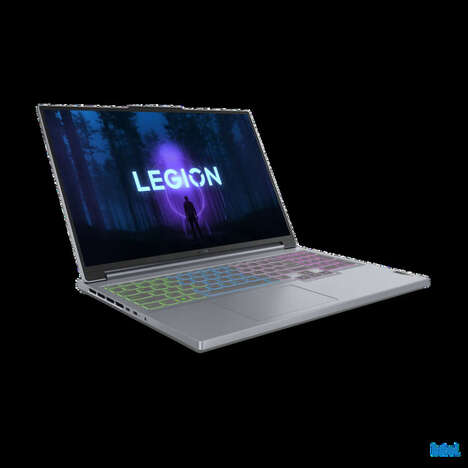
At Lenovo Tech World 2024, Lenovo unveiled a new AI-powered tool, AI Lullaby, to help people with ALS communicate more easily by allowing them to speak by typing with their eyes. This tech created in partnership with ElevenLabs and The Scott-Morgan Foundation (SMF) combines eye-tracking, artificial intelligence voice technology, and hyperrealistic
AI avatars. With a circular keyboard to reduce eye strain and speed up typing, AI Lullaby gives people who lost their voice to ALS the chance to speak again.
With D-ID avatars, users can create a lifelike digital version of themselves, and make their interactions more personal with AI voice technology that sounds like them too, thanks to ElevenLabs' close work with SMF and Bridging Voice.
At the tech event, Erin Taylor, a disability advocate with ALS, introduced Lenovo’s Chairman using this breakthrough technology.
What's Driving This Trend
- AI-powered Assistive Tools
- Advancements in AI-powered tools like AI Lullaby enable non-verbal individuals to communicate through personalized, hyperrealistic avatars, enhancing personal interaction.
- Eye-tracking Technology
- Innovative use of eye-tracking technology provides new ways for individuals with limited mobility to interact with digital devices seamlessly.
- Hyperrealistic AI Avatars
- The development of hyperrealistic AI avatars offers new dimensions in digital communication, creating more personal and lifelike interaction experiences.
Who This Affects Most
- Health-tech
- Integrating AI and eye-tracking solutions in health-tech can significantly improve the quality of life for individuals with disabling conditions like ALS.
- AI and Machine Learning
- AI and ML industries benefit from creating more advanced and user-friendly AI-powered communication tools tailored for assistive use.
- Digital Personalization
- Opportunities in the digital personalization market expand with the creation of hyperrealistic avatars that closely mimic users' appearance and voice.