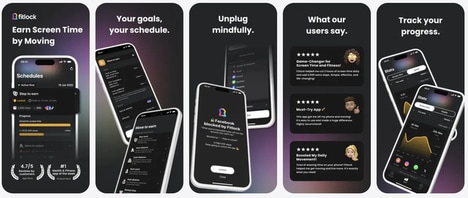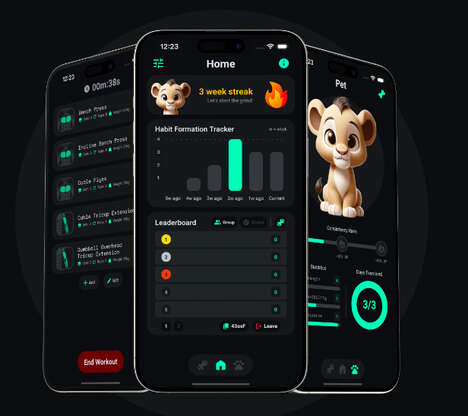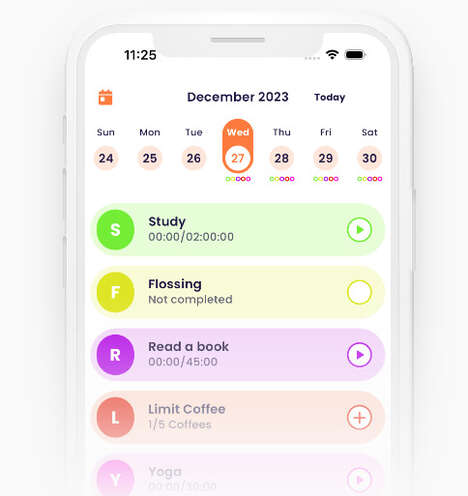


In the same way that one adds money to a sweat jar when a curse word has been spoken, Lazy Jar is an app that has users pay for failing to meet their fitness goals.
The aim of the Fitbit-connected application is to help users build discipline, but do so in a way that is based on negative reinforcement than providing positive incentives. Lazy Jar has app users set a weekly goal, as well as a penalty for failing to fulfil that goal. To help users devote themselves fully to the cause, the app has users make a security deposit that will be refunded after a six-month commitment period.
As far as the money that goes to Lazy Jar from missed physical activity sessions, it donates 80% to charity and uses the rest for the upkeep of the app.
What Makes This Trend Stand Out
- Negative Reinforcement Fitness Apps
- Creating fitness apps that penalize users for failing to meet their goals builds discipline using negative reinforcement.
- Charitable Penalty Programs
- Incorporating a charitable donation component into penalty programs provides a positive outcome from negative reinforcement.
- Accountability Apps
- Developing accountability apps that utilize security deposits and penalties can help users meet their goals.
Sectors Adopting This
- Fitness and Health
- Creating negative reinforcement fitness apps could revolutionize the fitness industry and motivate users to meet their goals.
- Charity and Non-profit
- Incorporating penalty programs that donate a portion of the money to charity could benefit the non-profit industry by increasing donations.
- Technology and App Development
- Developing accountability apps that utilize security deposits and penalties could revolutionize the technology and app development industry.