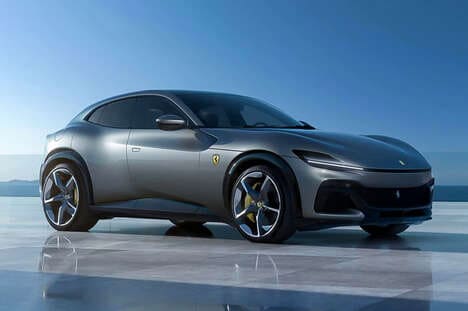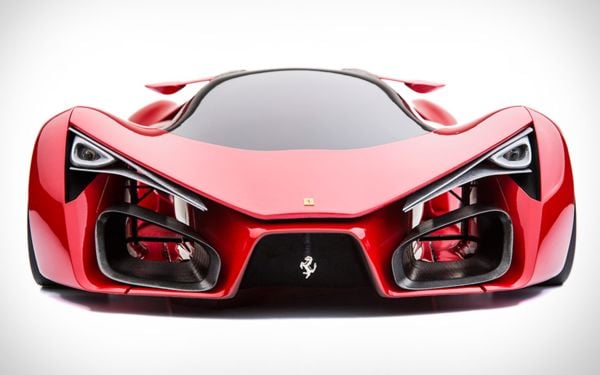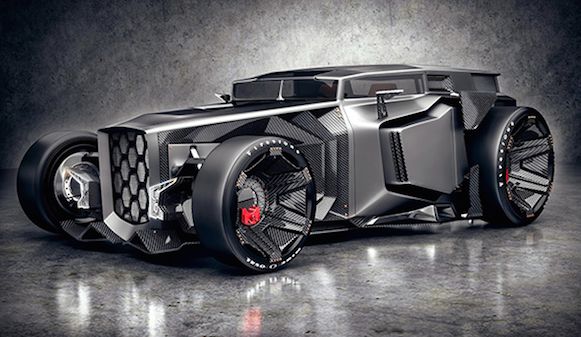


The new Lamborghini Huracan is the legendary Italian car maker's most technologically advanced model. It is also lighter and more fuel-efficient than the outgoing Gallardo -- Lamborghini's most-produced model -- and boasts a new hybrid chassis. The car is named after a Spanish fighting bull that fought in the city of Alicante in August 1879.
The Lamborghini Huracan is powered by a 610-horsepower, 5.2-liter V10 engine. This engine uses Lamborghini's new 'Iniezione Diretta Stratificata' (IDS) technology, which delivers both direct and indirect fuel injection. This helps pull 413 pounds-feet of torque to the car's all-wheel-drive system, which is manipulable via a 7-speed dual clutch gearbox.
As a result, this gorgeous supercar can zoom from zero to 100 km/h in just 3.2 seconds, and can achieve a top speed of 325 km/h.
Why This Trend Is Growing
- Technologically Advanced Supercars
- The development of advanced technologies in supercars opens up opportunities for disruptive innovation in the automotive industry.
- Lightweight and Fuel-efficient Supercars
- The focus on lightweight materials and fuel-efficient technologies in supercars presents opportunities for disruptive innovation in the automotive industry to create more sustainable and environmentally friendly vehicles.
- Hybrid Chassis in Supercars
- The integration of hybrid chassis technology in supercars creates opportunities for disruptive innovation in the automotive industry to combine performance and sustainability.
Industries Being Reshaped
- Automotive Industry
- The automotive industry can leverage the advancements in technologically advanced, lightweight, and fuel-efficient supercars to drive innovation in vehicle design and performance.
- Advanced Materials Industry
- The development of lightweight materials in supercars presents opportunities for disruptive innovation in the advanced materials industry to create new materials that are durable and lightweight.
- Hybrid Technology Industry
- The integration of hybrid chassis technology in supercars creates opportunities for disruptive innovation in the hybrid technology industry to develop more efficient and sustainable powertrain solutions.