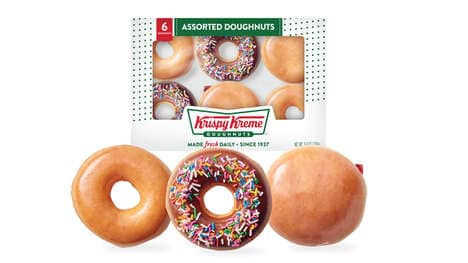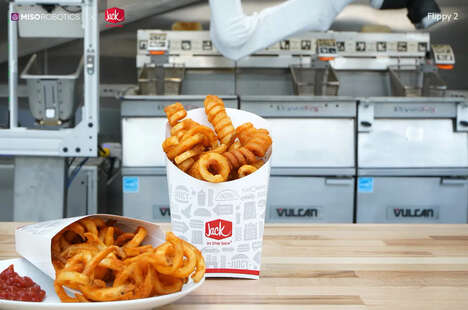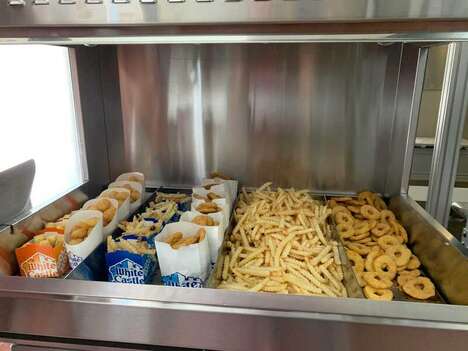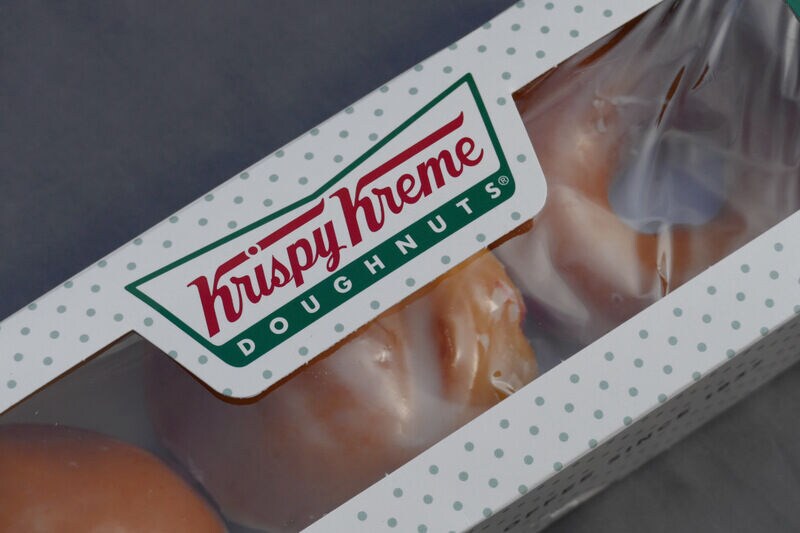
It was recently unveiled that robots will soon be joining the methods of production by Krispy Kreme. Mike Tattersfield explains to Yahoo Finance Live in an interview that "Probably within the next 18 months, you'll see some automation starting to go into the frosting, the filling, the sprinkles, and even the packaging."
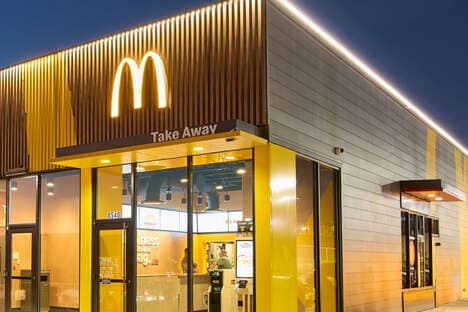
The robots that are developing are looking at a lot of work as the company delivers about 12,000 points of access every single day across the world. This includes convenience stores, third-party retail spaces, and even McDonald's if it continues to expand in collaboration with the brand. The automated lines of production are expected to create 18% of the chain's entire donut output, which saves about $2 million USD annually.
Image Credit: Logan Swenson, Dreamstime.com
What's Driving This Trend
- Robot-enlisted Food Production
- Krispy Kreme's move to automate their donut production process highlights the benefits and opportunities of using robots in the food industry.
- Automated Lines
- The development of automated lines that can handle food processing tasks may pave the way for more efficient and safer food production, while reducing costs.
- Increased Accessibility
- Using automated lines in the food industry can help increase accessibility by making food production faster, less expensive, and more reliable.
Who This Affects Most
- Food Industry
- The food industry can benefit from adopting automated technologies that increase productivity and quality, while decreasing production costs.
- Robotics Industry
- The robotics industry can explore the benefits of developing automated systems specifically designed for food production, opening up new markets and revenue streams.
- Fast Food Industry
- The fast food industry can benefit from using automated lines for food production to provide quick and reliable service, while streamlining costs.