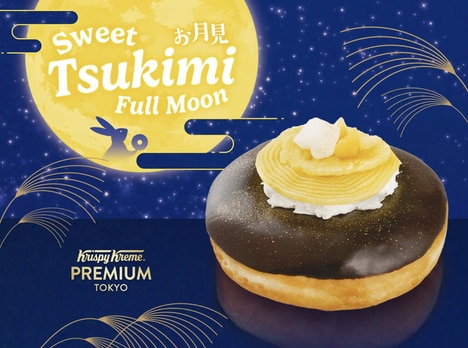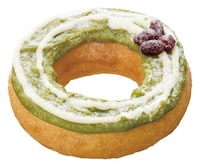

Krispy Kreme Japan just unveiled its new Kome-Dough donuts – a Japanese exclusive release.
While Krispy Kreme has experimented with Japanese flavors, its new Kome-Dough donuts put a Japanese twist on the donut recipe itself. Instead of regular flour, the new Kome-Dough donuts are made with Japanese rice flour that's been produced domestically. The rice flour gives the donuts a subtle sweetness and an extra chewiness that makes them completely unique. When the new Kome-Dough donuts are officially released in November, fans will be able to get their hands on two different varieties. One will feature kinako (roasted soybean) glaze and a powdered topping, while the other will feature kuromitsu (a sweet, molasses-like brown sugar syrup).
Image Credit: Krispy Kreme Japan
Key Themes Behind This Trend
- Culturally Infused Desserts
- Merging traditional Japanese ingredients like kinako and kuromitsu with popular Western desserts offers robust flavor combinations and unique textures.
- Alternative Flour Baked Goods
- Using rice flour instead of regular flour to create baked good offers consumers a distinct taste and textural experience without gluten.
- Limited-edition Releases
- Exclusive, region-specific products can drive customer intrigue and create a sense of urgency and novelty in the food market.
Where This Applies
- Food and Beverage
- Introducing culturally infused products like rice flour donuts connects with local tastes and diversifies the traditional bakery offerings.
- Gluten-free Foods
- The rise of gluten-free alternatives in conventional recipes caters to dietary restrictions while maintaining authentic flavors.
- Specialty Ingredients Market
- The use of unique domestic ingredients such as Japanese rice flour elevates the market for specialty and artisanal products.