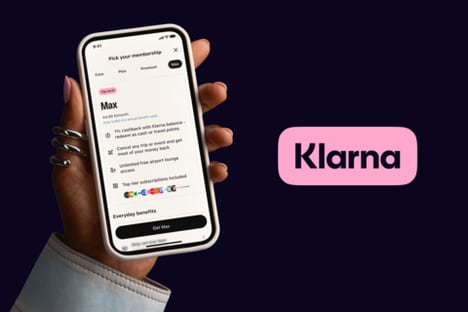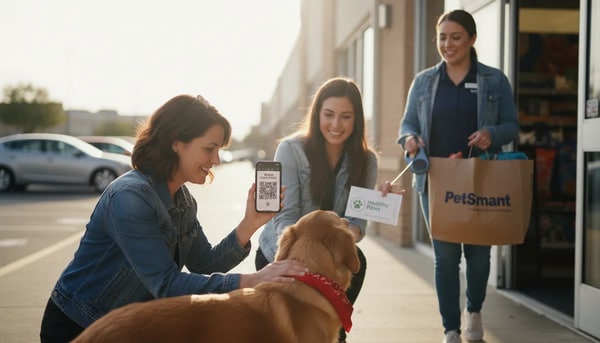
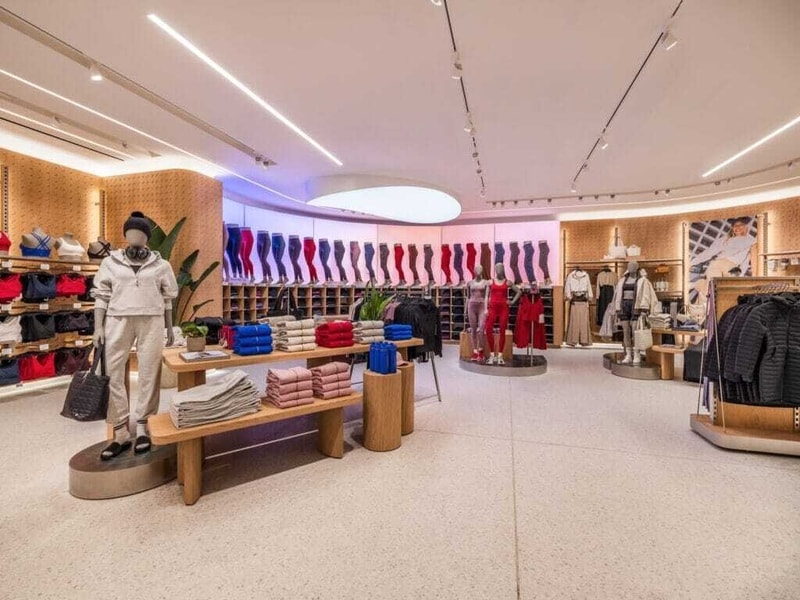
Klarna and Lululemon have partnered to offer shoppers in the UK and Germany with access to buy now, pay later (BNPL) services right at the till at participating brick and mortar locations. The payment option will provide customers who are paying in-store with the option to scan a QR code at the POS and pay within the Klarna app with no need to apply for anything or carry a separate card. The process takes a few seconds and will allow customers to spread the purchase into interest-free payments or even delay payment for a month to help them access items on their own terms.
Klarna Chief Commercial Officer David Sykes spoke on the Lululemon partnership saying, "Shopping shouldn’t be less flexible the moment you walk into a store. We’ve spent years making online checkout smarter, and now we’re bringing that same freedom to the till. Whether you’re picking up your kit in person or ordering it online, you should be able to pay the way that best works for you.”
Why This Trend Is Growing
- In-store BNPL
- Physical retail checkouts are gaining digital payment flexibility, creating room for financing experiences that mirror e-commerce convenience at the point of sale.
- QR Checkout Payments
- QR-enabled transactions are simplifying in-store payment adoption by connecting shoppers to app-based services without requiring new cards or lengthy applications.
- Omnichannel Payment Flexibility
- Retailers are blending online and offline payment expectations, opening space for unified customer journeys that make financing options consistent across channels.
Industries Being Reshaped
- Retail Technology
- Point-of-sale systems are evolving into connected payment hubs that support app-based financing and faster checkout experiences in brick-and-mortar environments.
- Financial Services
- BNPL providers are extending beyond online commerce into physical stores, expanding consumer credit access through embedded and interest-free payment models.
- Sportswear Retail
- Premium athletic apparel brands are using flexible payment options to reduce purchase friction and make higher-value in-store transactions more accessible.