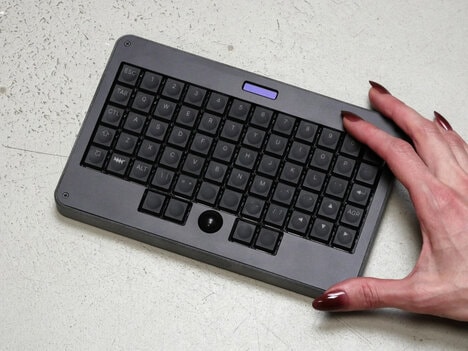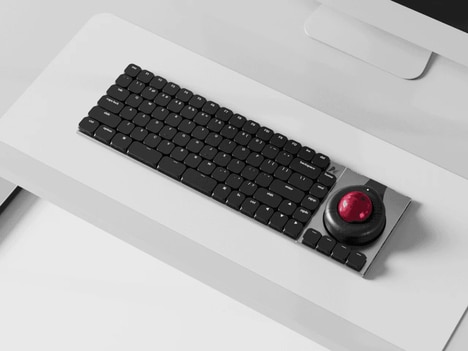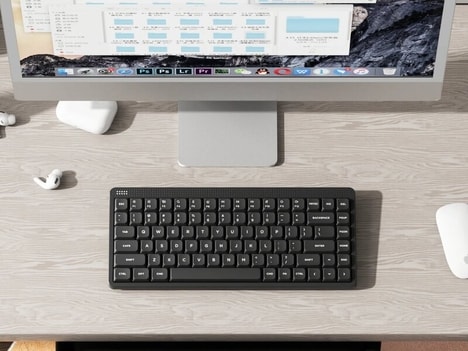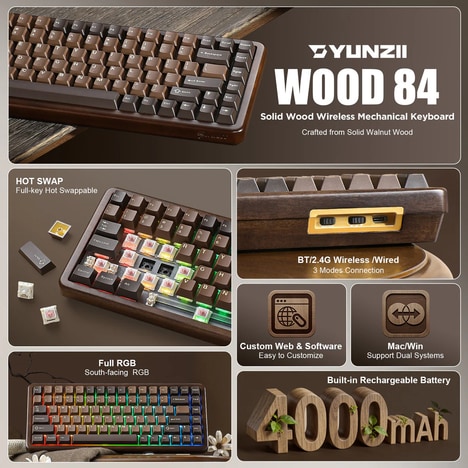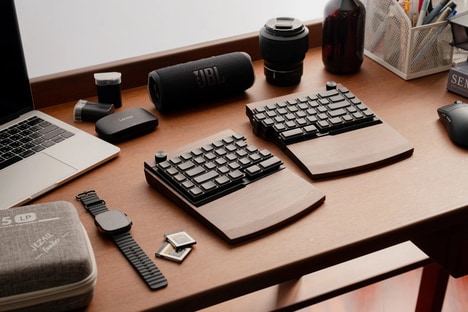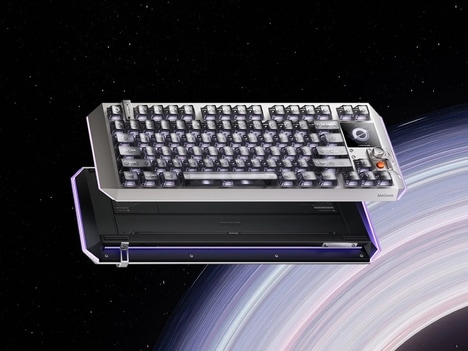
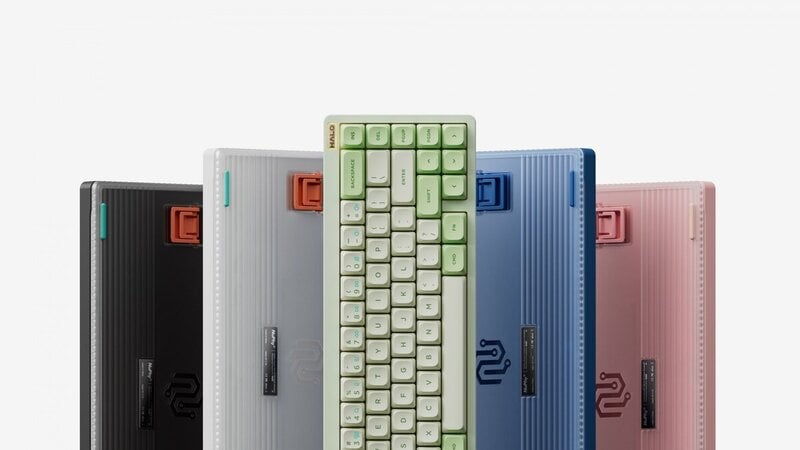
NuPhy is bringing maker-friendly keyboard extras to its users with NuPhyLab, a GitHub code-sharing repository that lets people 3D print official accessories or build custom parts from the brand's own engineering files. Instead of guessing measurements, owners get sanctioned models shaped for NuPhy boards.
A printable dial for the Kick75 gives owners a head start on desk-side tweaks without having to reverse-engineer dimensions first. The files can be modified for personal projects, but derivative versions must credit the originals and link back to NuPhyLab, keeping community remixes tied to the source.
For consumers, this means a NuPhy keyboard can act more like a platform for personal add-ons than a fixed desk purchase. Official files also make home-printed parts feel less improvised, which could encourage more prosumer tinkering around the brand's boards.
Image Credit: NuPhy
What Makes This Trend Stand Out
- Open-source Hardware Extensions
- Brand-sanctioned design files are turning physical products into adaptable platforms where communities can personalize components with greater accuracy and trust.
- Prosumer Desktop Customization
- Keyboard enthusiasts and home makers are blending functional upgrades with aesthetic personalization, creating demand for accessories that bridge hobbyist fabrication and premium device ecosystems.
- Official 3d-printable Parts
- Validated printable components reduce trial-and-error for consumers while giving brands a scalable way to support niche accessories without traditional inventory burdens.
Sectors Adopting This
- Consumer Electronics
- Modular product ecosystems are expanding the lifecycle of devices by enabling owners to tailor hardware beyond factory configurations.
- 3D Printing
- Consumer-facing repositories for certified files can position additive manufacturing as a mainstream support channel for replacement parts, upgrades, and personalized add-ons.
- Computer Peripherals
- Peripheral brands are finding new value in community co-creation as keyboards, mice, and desk tools become canvases for user-led modification.