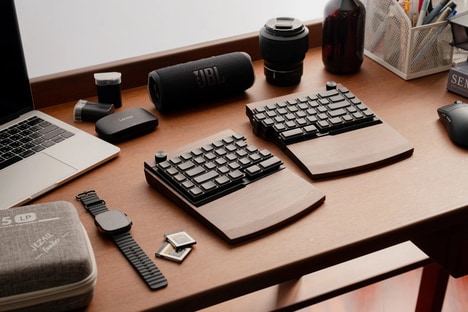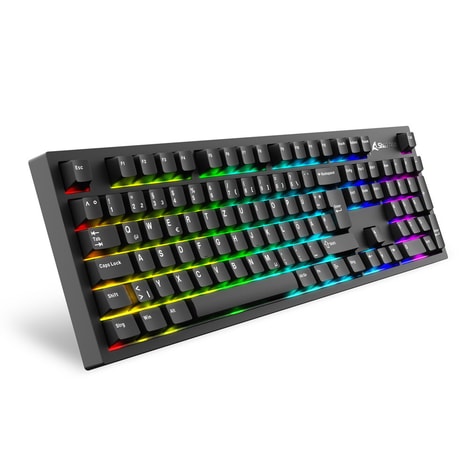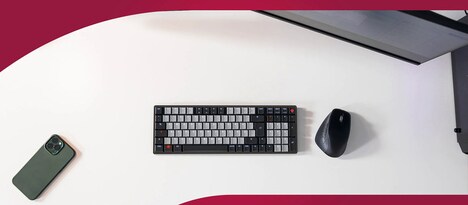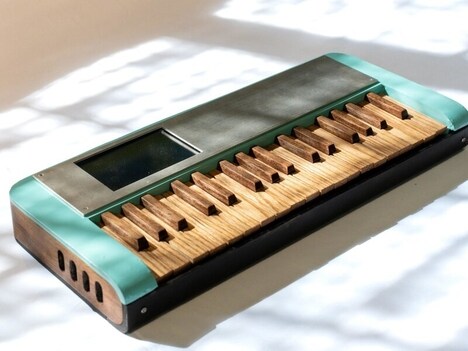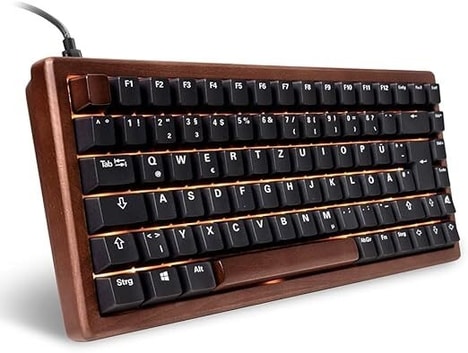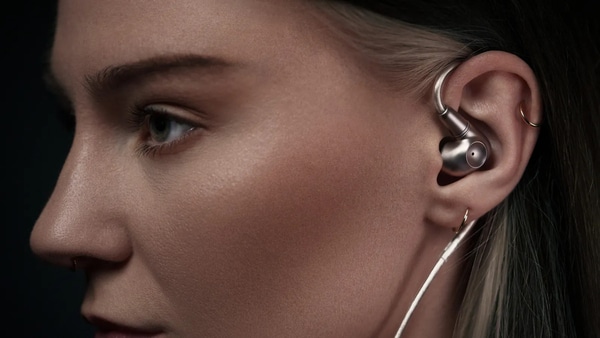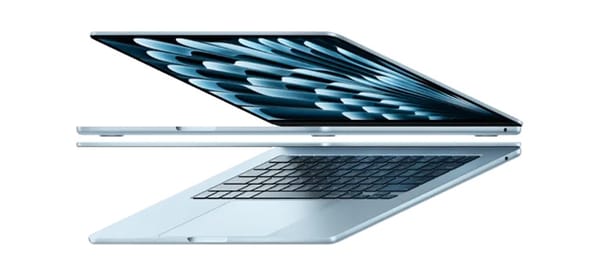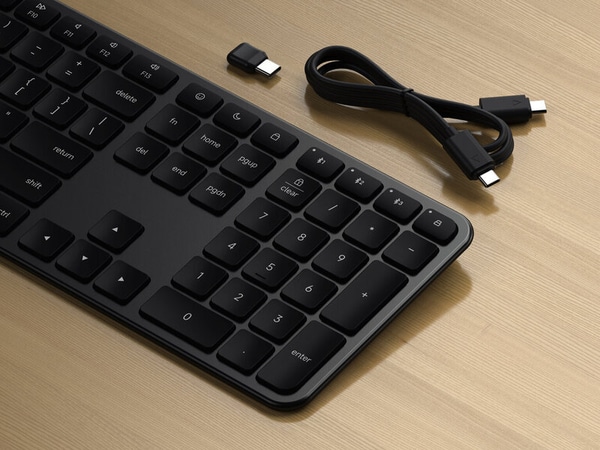
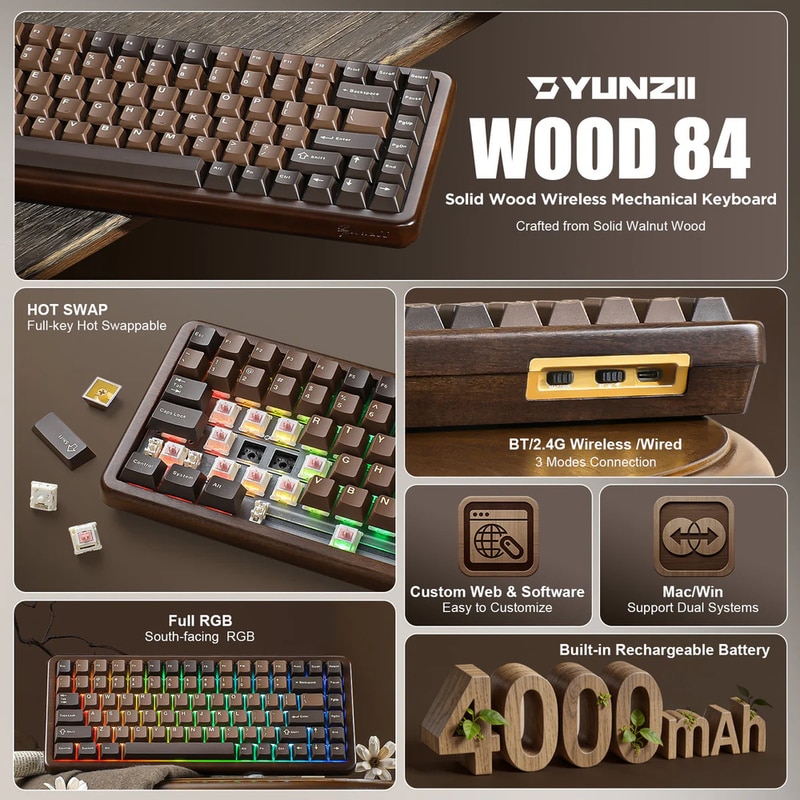
Design-led keyboards reflects a growing focus on aesthetics and personalization in everyday tech products. The YUNZII WOOD84 keyboard exemplifies this shift by combining natural wood materials with advanced features like customizable switches and responsive performance. This blend transforms a standard accessory into a statement piece that enhances both productivity and workspace aesthetics.
This approach allows brands to stand out in a crowded market by focusing on design, material quality, and personalization. It also aligns with the rising demand for curated, visually pleasing work environments, especially among remote professionals and digital creators. By integrating craftsmanship with performance, companies can command higher price points, attract design-conscious consumers, and expand into lifestyle-driven product categories that build stronger brand loyalty.
Image Credit: YUNZII
What Makes This Trend Stand Out
- Design-led Hardware
- A shift toward aesthetics-driven device design creates premium product categories that blur the line between functional tech and lifestyle accessories.
- Natural-material Integration
- Wood and other organic materials are being used to impart tactile warmth and perceived craftsmanship to electronic peripherals, altering consumer expectations for materiality.
- Modular-switch Customization
- Interchangeable switch systems enable personalized tactile and auditory experiences, fostering ecosystems of compatible components and niche aftermarket commerce.
Sectors Adopting This
- Consumer Electronics
- Aesthetic-focused peripherals open routes to higher-margin product lines that prioritize design storytelling and limited-edition releases over mass commoditization.
- Office Furniture and Workspace Design
- Integration of crafted tech objects into curated workspaces is redefining ergonomic and visual standards for remote-work environments and boutique office installations.
- Gaming and Esports Peripherals
- Competitive and enthusiast markets are being reshaped by customizable hardware that combines performance tuning with collectible, design-forward elements.