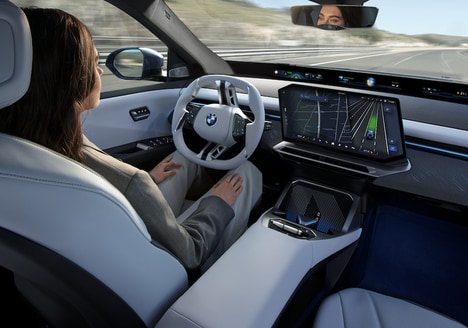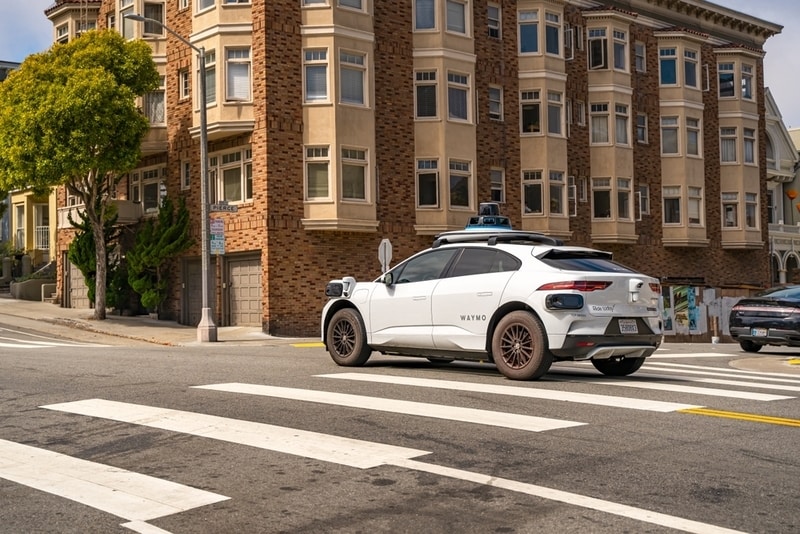
The KEPT system, developed by researchers at Tongji University and collaborators, introduces a new approach to autonomous driving by enabling vehicles to reference past driving scenarios when making real-time decisions. Instead of relying solely on immediate visual input, the system retrieves similar road situations from a database and uses them to guide safer and more accurate trajectory predictions. This allows self-driving systems to better navigate complex and unpredictable urban environments.
For businesses, this approach could improve the reliability and safety of autonomous vehicles, addressing a key barrier to adoption. Automotive companies and mobility platforms may benefit from reduced accident risks, increased consumer trust, and more scalable deployment in dense city settings. It also signals a shift toward more context-aware AI systems, creating opportunities for similar applications in robotics, logistics, and smart transportation where decision-making relies on both real-time data and learned experience.
Image Credit: Iv-olga / Shutterstock.com
Key Themes Behind This Trend
- Memory-augmented Perception
- A system that augments real-time sensor input with archived driving scenarios to improve recognition of occluded objects and rare events.
- Context-aware Trajectory Planning
- An approach where trajectory predictions incorporate similar past maneuvers to produce smoother, more confident navigation in complex urban layouts.
- Experience-driven Safety Validation
- A paradigm that leverages historical incident and near-miss data to benchmark and validate autonomous decision-making under diverse edge cases.
Where This Applies
- Automotive-manufacturing
- Vehicles embedded with memory-retrieval modules could exhibit higher baseline safety performance, shifting OEM value toward software-rich platforms.
- Urban-mobility-platforms
- Ride-hailing and shared-mobility services could use scenario-based decisioning to increase reliability in dense city operations and improve rider trust.
- Logistics-and-warehouse-robotics
- Autonomous material-handling systems informed by past navigation episodes may better handle dynamic human interactions and congested aisles.