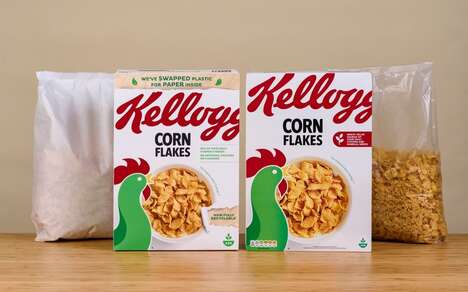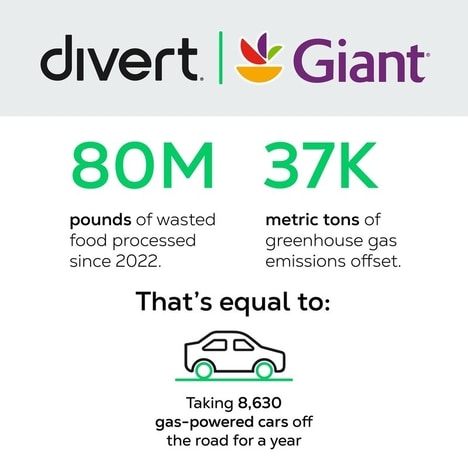


Food waste is a serious global issue with many grocery stores and food processors sending uneaten food to landfills. In an effort to reduce its role in food waste, Kellogg UK pledge to reduce its organic waste in half by the year 2030. This pledge is part of the company's 'Better Days' commitment that seeks to reduce Kellogg's overall impact on the planet.
Rather than wasting its uneaten food, Kellog UK partnered with food redistribution charities like the Trussell Trust and FareShare. In 2018, Kellogg's was able to donate over 10 million servings of food. Chris Silcock, head of Kellogg UK, said: “Our goal is to always prevent waste occurring in the first place. That is why today we are saying we are going to reduce the amount of organic waste we produce by half. We are investing in training and new processes to help make this happen and is our top priority.”
Image Credit: Shutterstock
What Makes This Trend Stand Out
- Food Waste Reduction
- Kellogg UK's pledge to reduce organic waste by half presents a trend in the effort to combat food waste globally.
- Partnerships with Food Redistribution Charities
- Kellogg UK's partnership with food redistribution charities like the Trussell Trust and FareShare demonstrates a trend in collaborating with organizations to combat food waste.
- Sustainable Commitments in Business
- Kellogg UK's 'Better Days' commitment signifies a trend of businesses making sustainable goals to reduce their overall impact on the planet.
Sectors Adopting This
- Food Manufacturing
- The food manufacturing industry can explore opportunities to implement waste reduction measures and collaborate with food redistribution charities to address food waste concerns.
- Grocery Retail
- The grocery retail industry can adopt initiatives to reduce organic waste through partnerships with food redistribution charities, ultimately helping to combat food waste.
- Food Redistribution
- Food redistribution charities like the Trussell Trust and FareShare can collaborate with food manufacturers and grocery retail industries to develop strategies for reducing organic waste and addressing the global issue of food waste.