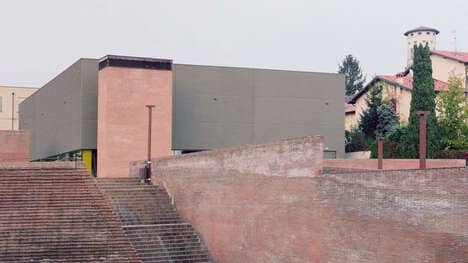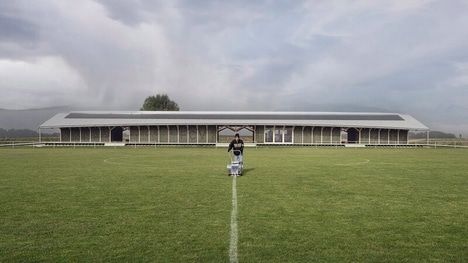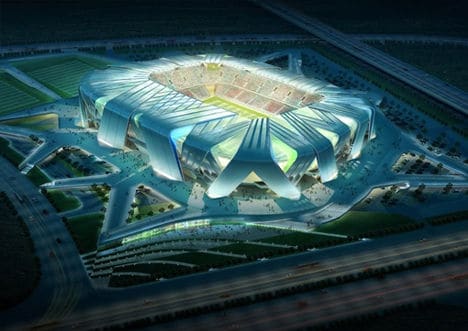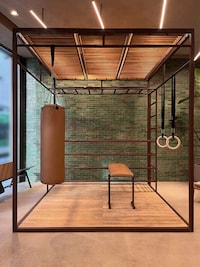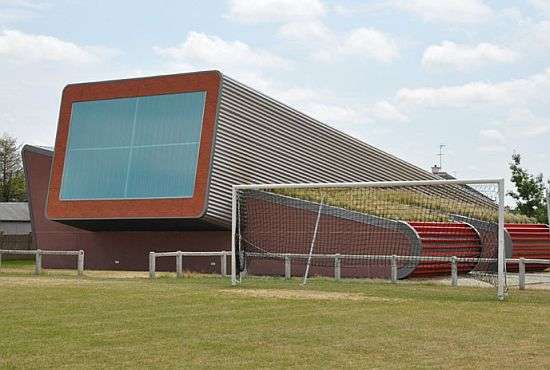
Jean Marc Rivet is a French architect who I believe has built the fitness center of the future. His French gymnasium boasts several eco-friendly innovations designed to cut down on the typically ravenous power consumption of modern-day athletic facilities.
Jean Marc Rivet's structure incorporates rooftop gardens to aid in insulation, while a large skylight provides light during the day. Photovoltaic cells store the sun's energy during the day and use it to provide illumination after dark.
What's Driving This Trend
- Eco-friendly Fitness Centers
- Developing fitness centers with sustainable features and technologies that reduce power consumption and promote eco-friendly practices.
- Rooftop Gardens in Athletic Facilities
- Implementing rooftop gardens in fitness centers to enhance insulation and create a greener environment.
- Photovoltaic Cells for Energy Storage
- Integrating photovoltaic cells in athletic facilities to harness solar energy, reducing reliance on conventional power sources and promoting renewable energy.
Who This Affects Most
- Architecture and Design
- Architecture and design firms can specialize in eco-friendly fitness center projects, incorporating sustainable features and technologies.
- Renewable Energy
- Companies in the renewable energy sector can explore partnerships with fitness centers to implement photovoltaic cells and offer energy storage solutions.
- Fitness and Wellness
- Fitness and wellness industry professionals can embrace the trend of sustainable fitness centers, elevating their brand image and attracting environmentally conscious customers.