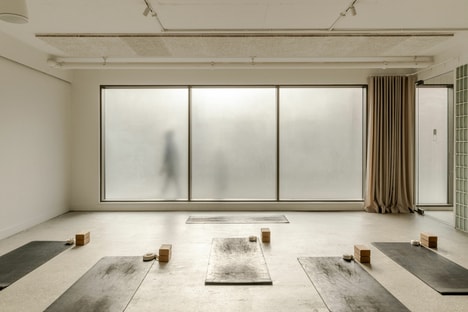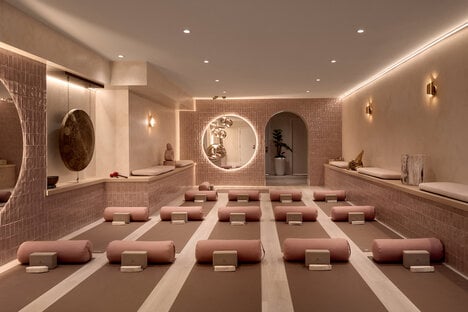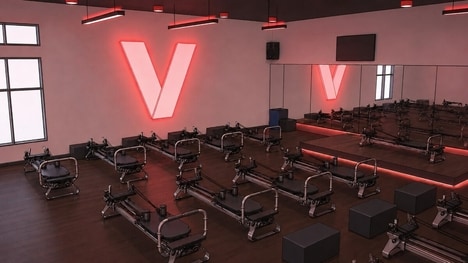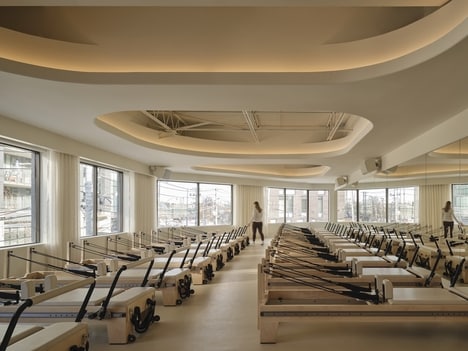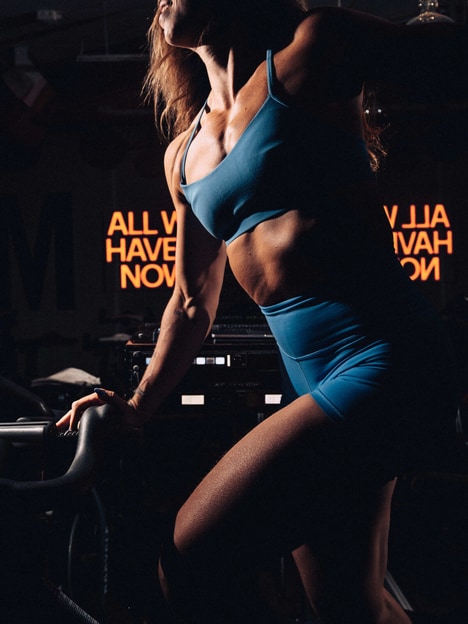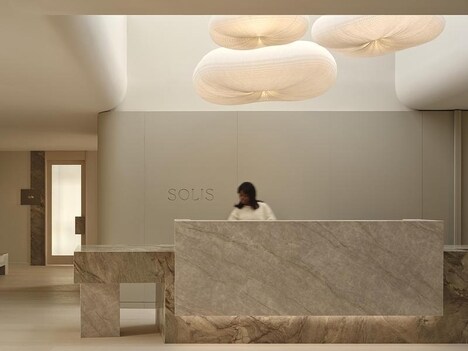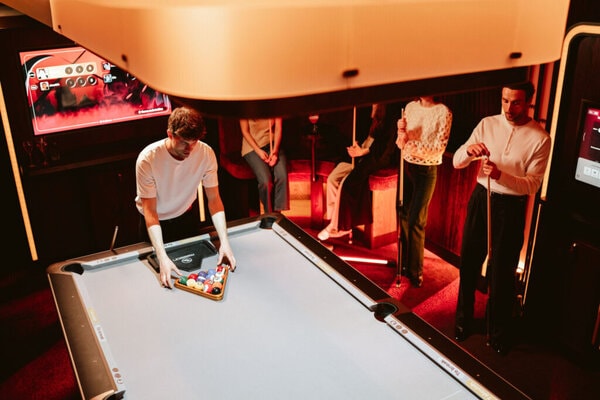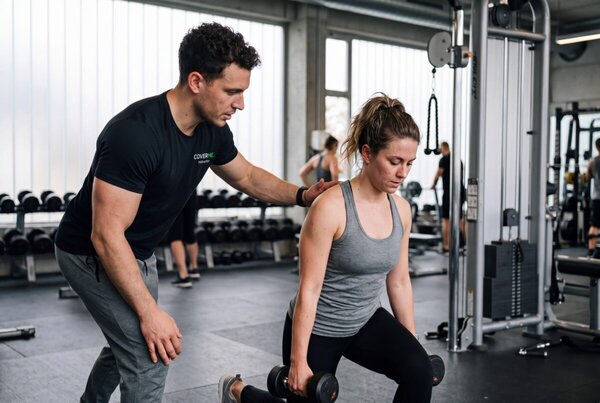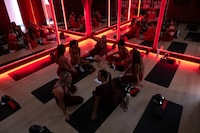
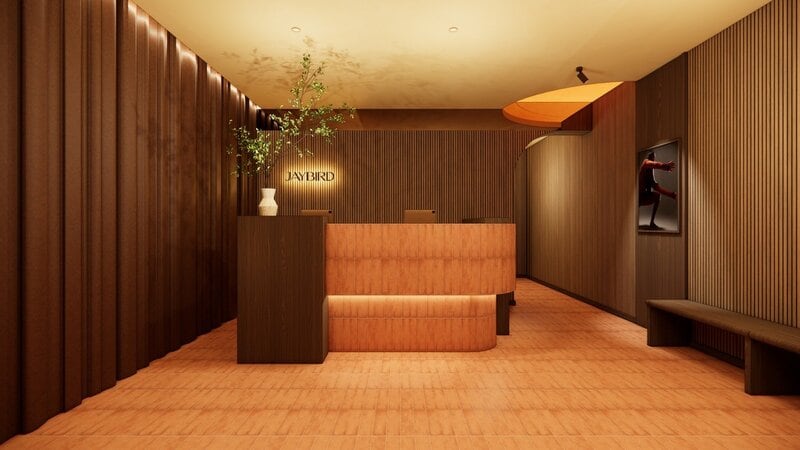
Jaybird is bringing its signature sweat-and-reset experience to Midtown Toronto with a new 5,000-square-foot studio opening this October at 2574 Yonge Street. Joining its Yorkville and Queen West locations, the two-storey space brings Jaybird Mat and Reformer classes together under one roof, with room for 38 mat guests and 20 reformer guests.
Designed by Future Studio, the Midtown location gives Jaybird’s moody wellness aesthetic a sunnier spin with mustard, honey and golden tones, travertine, rich wood, curved walls and warm amber lighting. It will also debut Jaybird’s first custom-designed reformer, created to blend slow resistance training with more elements of classical Pilates. Classes will retain the brand’s electronic-free format, infrared heat, candlelight and immersive music. The opening shows how boutique fitness brands are making workouts feel more experiential through distinctive design, sensory details and spaces tailored to their neighborhoods.
Image Credit: Jaybrid
What Makes This Trend Stand Out
- Sensory Fitness Spaces
- Boutique studios are turning workouts into immersive rituals through lighting, heat, music and tactile interiors that differentiate physical wellness from at-home digital fitness.
- Hybrid Pilates Formats
- The blend of mat, reformer and slow resistance training signals room for fitness concepts that merge familiar modalities into branded, proprietary class experiences.
- Neighborhood Wellness Design
- Localized interiors and warmer design palettes reflect growing demand for wellness venues that feel tailored to community identity rather than standardized chains.
Sectors Adopting This
- Boutique Fitness
- Experience-led studio concepts are creating premium positioning by pairing specialized instruction with distinctive environments and device-free class formats.
- Interior Design
- Wellness-focused commercial spaces are expanding opportunities for designers to use materials, lighting and spatial flow as core parts of a brand’s service experience.
- Wellness Technology
- Custom equipment development and sensory room systems point to innovation potential in tools that enhance in-person movement without relying on screens.