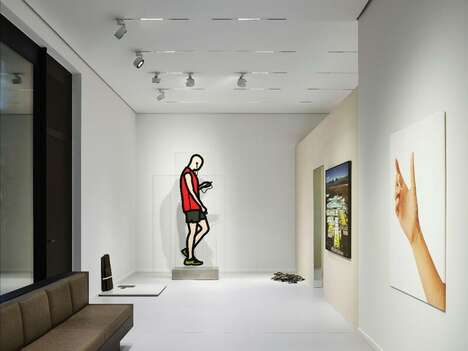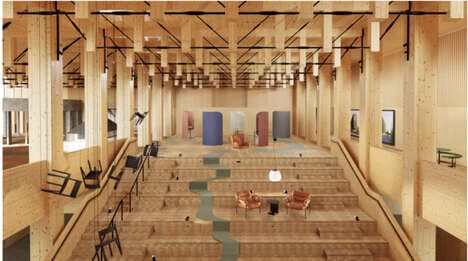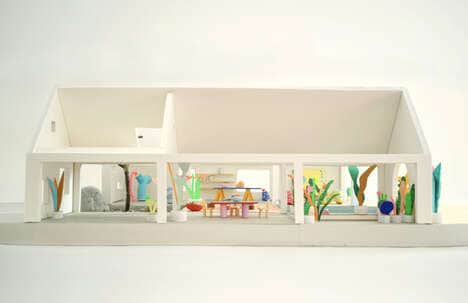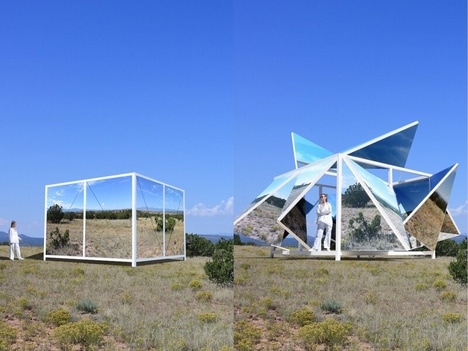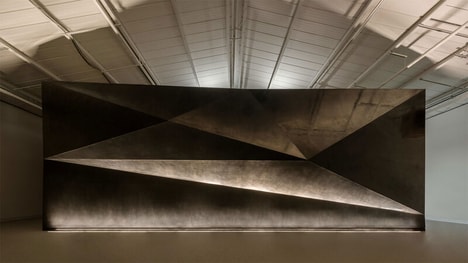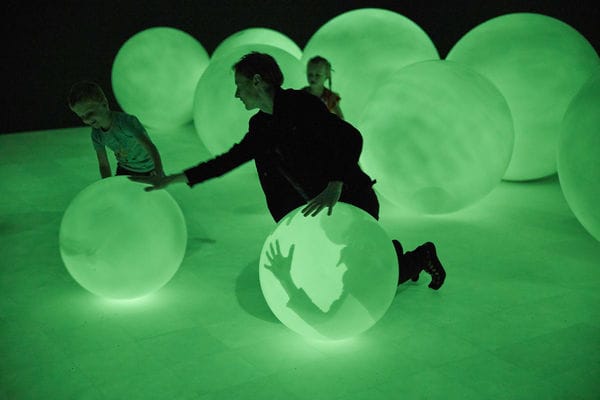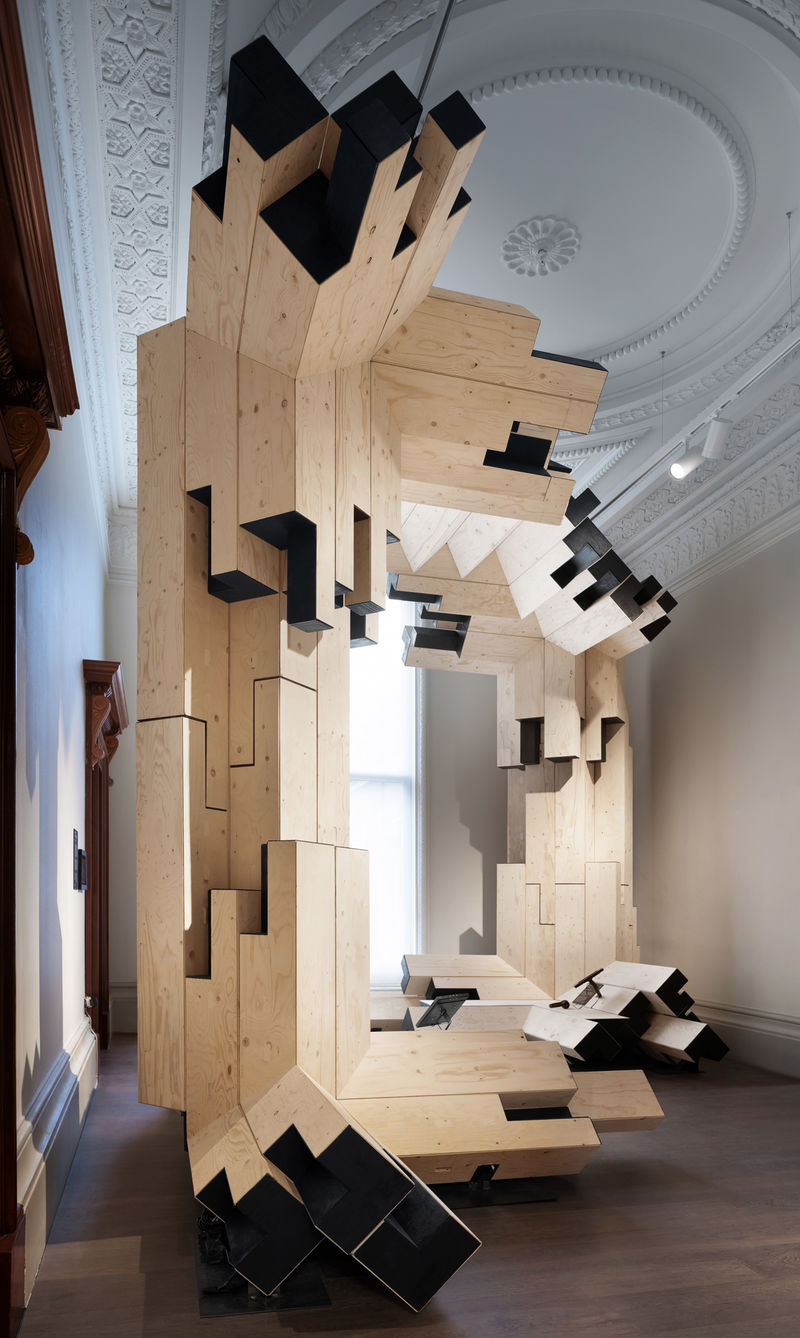
Invisible Landscapes is an exhibition at the Royal Academy of Art that explores the correlation between technology and architecture, as well as how one will inform the other. More precisely, through expressive shapes and immersive properties, the structures seek to showcase how virtual and augmented reality will shift the focus and ultimately revolutionize architecture. In a sense, the sculptures bridge the gap between the immaterial virtual world and the concrete physical environment. The exhibit is centered around modes of interaction and boundaries between reality and fiction — from a dystopian 360-degree short film to a highly geometric plywood structure.
Invisible Landscapes features a total of four installations. The structures were created by architect Gilles Retsin, ScanLAB — which is a 3D-scanning studio, design firm Soft Bodies and designer Keiichi Matsuda.
Photo Credits: Andy Keate, NAARO
Key Themes Behind This Trend
- Tech-accented Architecture
- Opportunity for architects and designers to integrate technology, such as virtual and augmented reality, into architectural structures.
- Immersive Properties
- Potential to create immersive experiences within architectural designs, blurring the boundaries between virtual and physical worlds.
- Interactivity in Architecture
- Emerging trend of incorporating interactive elements and modes of engagement in architectural installations.
Where This Applies
- Architecture
- Opportunity for architects to embrace disruptive technologies and incorporate them into their designs.
- Virtual Reality
- Growing demand for virtual reality experiences opens doors for innovative architectural designs that push the boundaries of reality.
- Film and Entertainment
- Opportunity for filmmakers and entertainment industry to explore new storytelling techniques through immersive architectural installations.