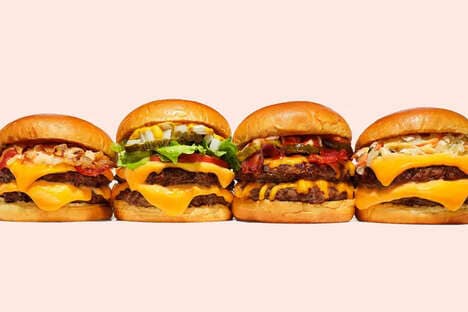


Fast food chains aren't always synonymous with a positive working environment, but In-N-Out Burger's business model helps prepare its workers for success, while offering competitive perks and benefits.
The burger joint is currently ranked as the fourth best company to work for, achieving a higher score on Glassdoor than Google and lululemon. The reasoning behind its high retention rate and overall employee satisfaction, can be traced to its flexible working model, in which the store's managers are trained to work around the employees schedules, making it an ideal place of work for those in school or those with dependents.
In addition, the chain has rolled out an impressive new initiative in which it preps all its employees for managerial positions, offering long-term growth opportunities that enable an employee to envision a career path, instead of thinking of the job as a placeholder.
What's Driving This Trend
- Employee-focused Business Models
- Companies that prioritize their employees are seeing higher retention rates and overall employee satisfaction.
- Flexible Working Models
- Flexible working models, such as those that prioritize employees' schedules, are becoming increasingly popular among companies.
- Management Training Programs
- More companies are offering management training programs to their employees, enabling them to envision a career path within the company.
Who This Affects Most
- Fast Food Chains
- Fast food chains are being challenged to adopt more employee-friendly business models in order to improve retention rates.
- Retail Industry
- The retail industry can benefit from adopting management training programs as a way to drive career development and increase retention rates among employees.
- Hospitality Industry
- Companies in the hospitality industry could enhance their business models by providing competitive perks and benefits to their employees.