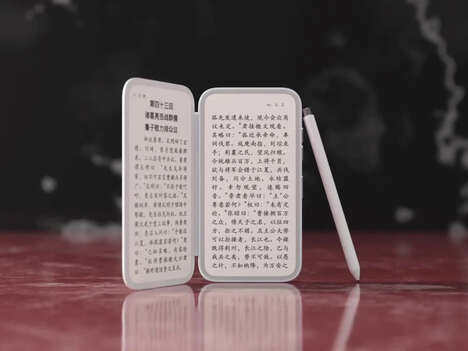
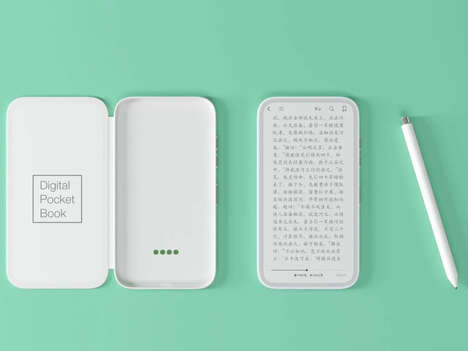
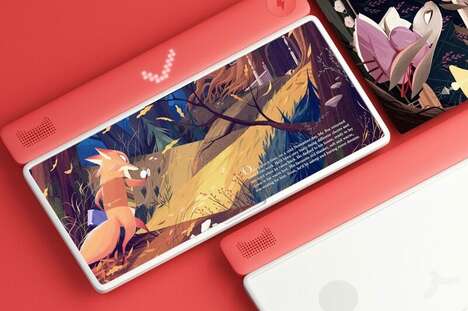
Merging printed paper publications and electronic media into one all-encompassing digital source, the Infinite Book is posed to eradicate all the headache-causing effects of reading off a monitor and the messiness (and weight) of jumbling newspapers, magazines and books together.
The Infinite Book is designed by Ewald Neuhofer and is the latest form of media that bridges the gap between the digital and analog arenas. Through the Infinite Book, which features a touchscreen interface so you can access links, you can flip through pages as you would through a normal book.
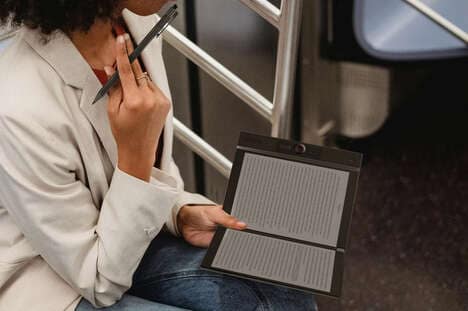
Basically, you get to “read the digital book with analog navigation,” says TheDesignBlog.org. The Infinite Book is also designed with a special folding functionality which allows user to fold it up like a newspaper for easy portability.
What Makes This Trend Stand Out
- Digitized Publications
- The trend of merging printed paper publications and electronic media into one digital source creates opportunities for innovative reading experiences.
- Analog-digital Hybrid
- The rise of the Infinite Book demonstrates the potential for analog-digital hybrids in the media industry, providing a seamless transition between traditional and digital reading methods.
- Interactive Reading
- The Infinite Book's touchscreen interface and ability to access links introduces new forms of interactive reading experiences, disrupting traditional book consumption.
Sectors Adopting This
- Publishing
- The publishing industry can explore opportunities to digitize their print publications and create innovative reading platforms like the Infinite Book.
- Digital Media
- The digital media industry can leverage the trend of digitized publications to create immersive and interactive reading experiences for their audiences.
- E-commerce
- E-commerce platforms can tap into the analog-digital hybrid trend by selling and distributing Infinite Books, offering a unique and portable reading experience to customers.