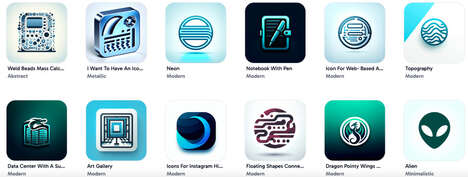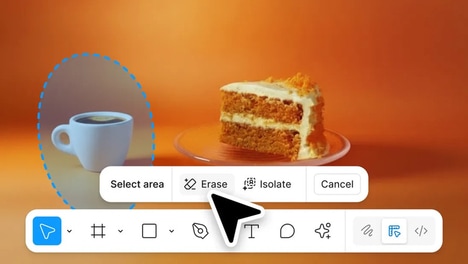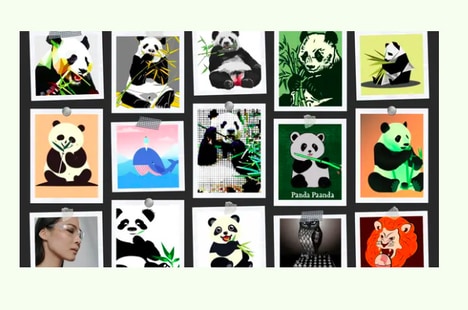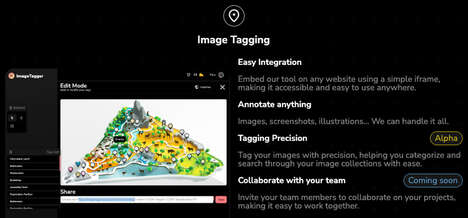
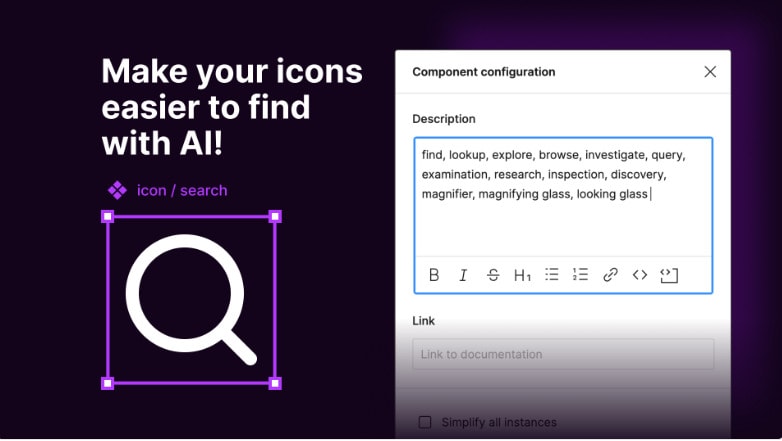
Icon Tagger is a Figma plugin that streamlines the process of managing and organizing icons within a design project. Using artificial intelligence, the plugin generates relevant keywords for each icon and automatically adds them to the component descriptions. This improves searchability and makes it easier for designers to locate specific icons within large libraries.
By enhancing the discoverability of icons, Icon Tagger helps teams save time and increase productivity, reducing the frustration that often comes with managing a vast number of assets. This tool is particularly useful for designers working on large-scale projects or collaborating in teams, where quick access to the right resources is crucial. Icon Tagger simplifies workflow efficiency, ensuring designers can focus more on creativity and less on asset management.
Image Credit: Icon Tagger
What's Driving This Trend
- AI-enhanced Design Tools
- AI-driven plugins like Icon Tagger are transforming design workflows by automating asset organization and boosting productivity.
- Semantic Search AI
- The integration of AI-generated keywords allows for more precise and efficient tagging, revolutionizing how digital assets are indexed and retrieved.
- Collaborative Design Efficiency
- Innovations such as Icon Tagger streamline collaborative efforts in design by simplifying the process of accessing shared resources, thus enhancing team productivity.
Who This Affects Most
- Graphic Design Software
- The addition of AI capabilities like Icon Tagger's functionality presents opportunities for design software to enhance user experience through smarter asset management.
- AI-focused Software Development
- The demand for AI-powered organization tools in digital assets paves the way for software development focused on automation and machine learning innovations.
- Project Collaboration Platforms
- Integrating AI tagging solutions within collaboration platforms can significantly improve efficiency, especially in environments handling extensive digital libraries.