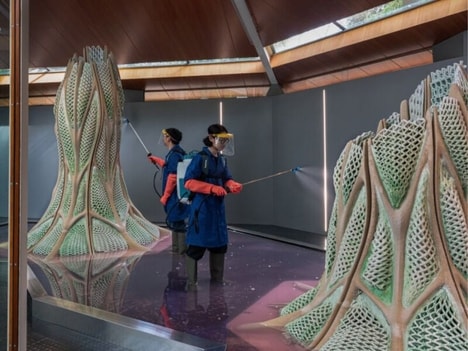
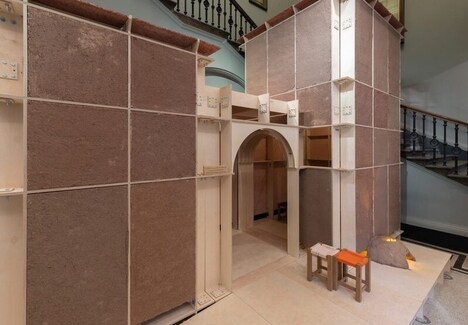
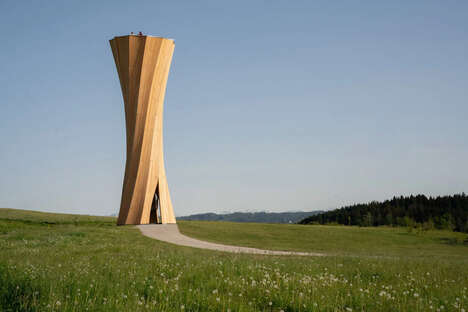
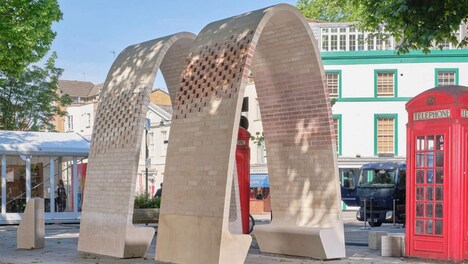
Hy-Fi by David Benjamin of The Living has been chosen by MoMA PS1 as the winner of the 2014 Young Architects Program. Although it might look like a futuristic power plant at first glance with its cluster of three cylindrical towers, it is in fact a temporary pavilion that will be open in late June. But what makes it even more impressive is the fact that it will be made up of self-assembling bricks.
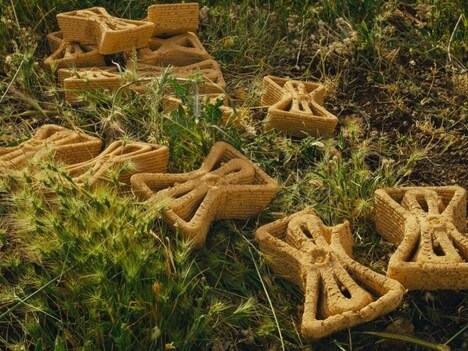
Made up of two types of bricks, Hy-Fi by David Benjamin will essentially grow over a short period of time. The first kind of brick is made out of bio-materials including corn husks and mycelium, a kind of mushroom root material. The second is a reflective brick placed at the top to bounce sunlight down to the organic material below.
Key Themes Behind This Trend
- Self-assembling Bio-bricks
- The development of bio-material bricks that can self-assemble presents an opportunity for sustainable and efficient construction methods.
- Mycelium-based Materials
- The use of mycelium as a building material can revolutionize the construction industry with its durability and eco-friendliness.
- Reflective Architecture
- The integration of reflective materials in building construction can create innovative and energy-efficient designs.
Where This Applies
- Construction
- The self-assembly and use of eco-friendly materials like mycelium can disrupt traditional construction methods and make the industry more sustainable.
- Agriculture
- The use of bio-materials like corn husks and mycelium in construction presents a new market for the agricultural industry to explore and tap into.
- Renewable Energy
- The integration of reflective materials in building design can create opportunities for the renewable energy industry to provide energy-efficient solutions.