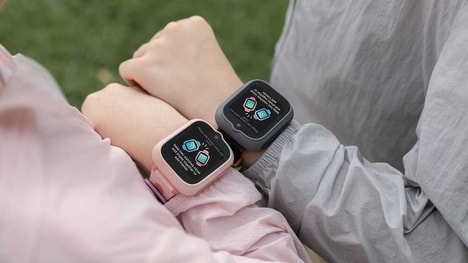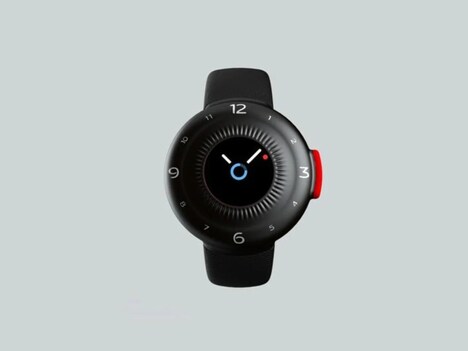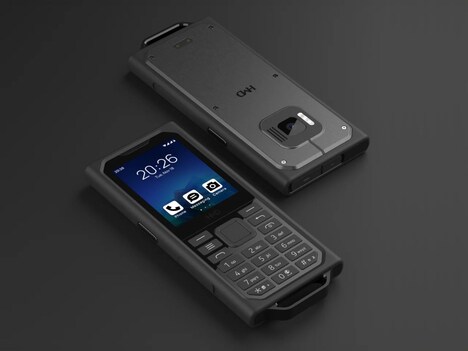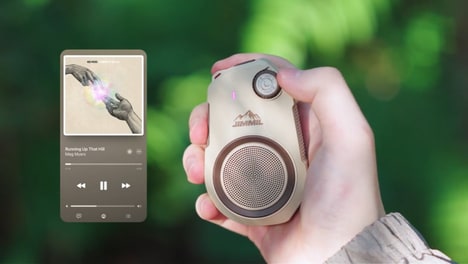
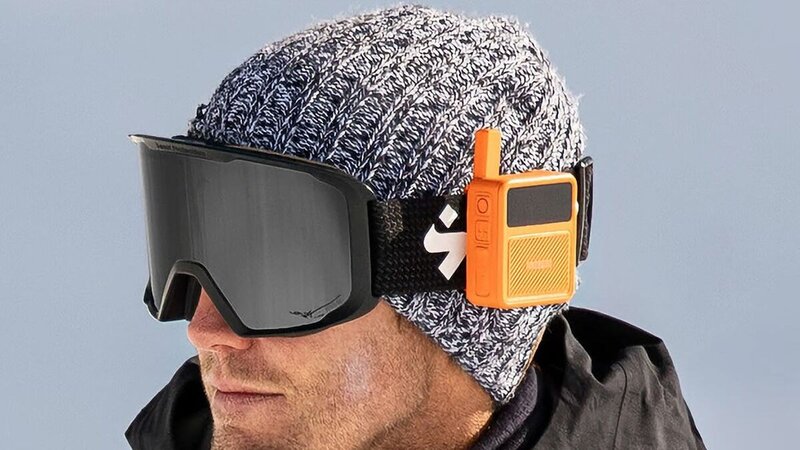
Poclink's 'Motion Ultra' keeps a push-to-talk connection active even when radios fall silent, giving skiers, riders, and hikers a simpler alternative to pulling out a phone in bad weather. This walkie-talkie-style communicator uses 4G LTE, the mobile data network used by phones, paired with analog radio so it can switch between the two when coverage drops.
GPS location sharing turns the device into a check-in tool, helping a group keep tabs on one another when people spread out on a trail or slope. The oversized push-to-talk controls let someone answer with gloves on or while moving, shifting the idea from a nostalgic toy to a genuinely wearable outdoor tool.
For shoppers, this means fewer trade-offs between rugged convenience and reach when picking gear for trips where phones are awkward or vulnerable. The convergence pushes outdoor communicators closer to standard kit rather than a niche extra.
Image Credit: Poclink
Why This Trend Is Growing
- Hybrid Connectivity Gear
- Devices that blend cellular data with analog radio create resilient communication layers for environments where single-network tools fail.
- Glove-friendly Interfaces
- Oversized tactile controls reflect a growing demand for outdoor technology that remains usable during motion, cold, and severe weather.
- Group Location Sharing
- Integrated GPS check-ins turn recreational communication devices into lightweight safety platforms for dispersed teams and adventure groups.
Industries Being Reshaped
- Outdoor Recreation
- Rugged communicators are expanding the category beyond apparel and equipment by making connected safety a more routine part of adventure planning.
- Telecommunications
- Multi-network switching opens space for services and hardware that bridge mobile infrastructure with legacy radio systems in coverage-limited regions.
- Consumer Electronics
- Wearable push-to-talk devices illustrate a shift toward purpose-built gadgets that reduce dependence on smartphones in high-friction use cases.