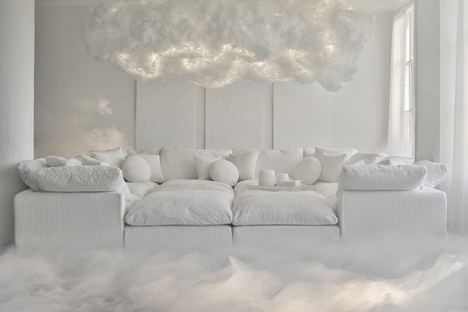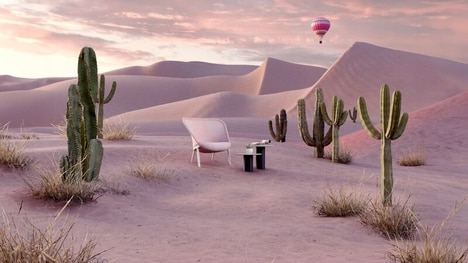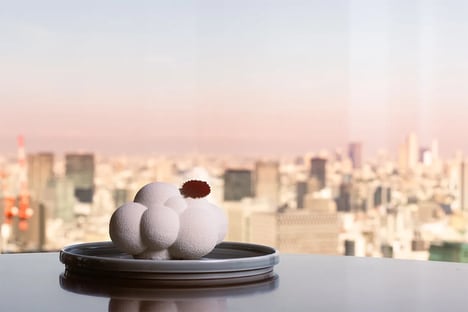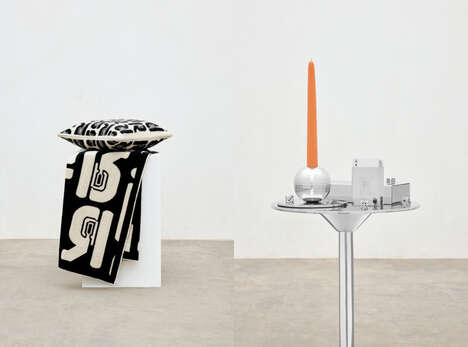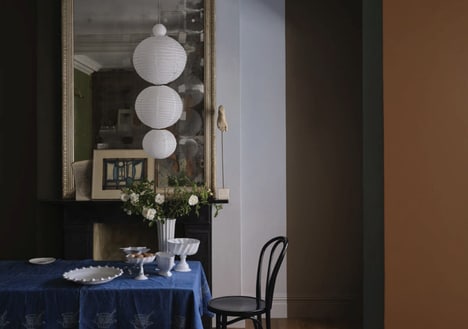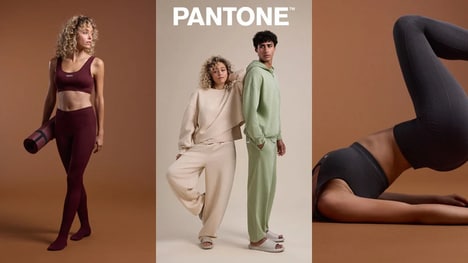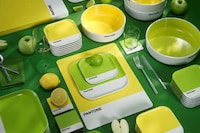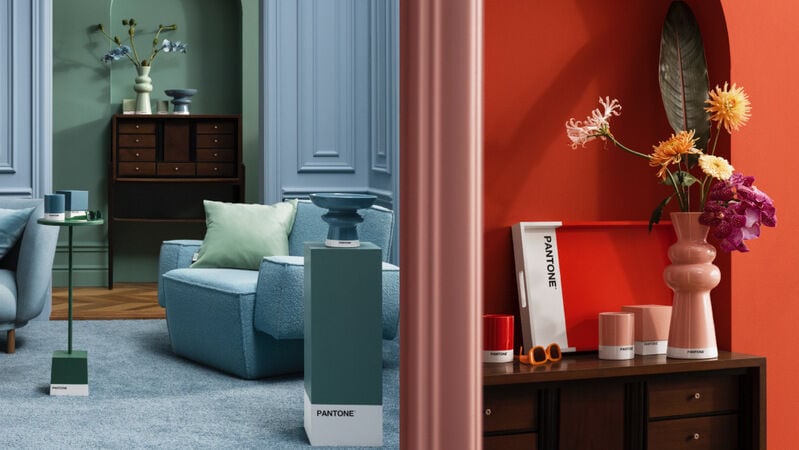
H&M Home and PANTONE work in collaboration to launch a new collection full of stylish interior decor that is inspired by how colors are able to play a role in altering moods and bringing inspiration to one's lifestyle. To match the emotionally evoking feelings, the capsule splits itself into two palettes -- Calm & Soothing and Energy & Joy.
Blue is described by H&M Home as reminiscent of open spaces, the sky, and the sea, associating itself with freedom and calmness. Red brings more passion and heat, bringing a sense of courage. Calm & Soothing in this case includes "PANTONE’s Pistachio (2260C), Petrol (548C), green (5545C), and Mid Blue (2178C)." Energy & Joy is captured by the company's "pink (707C), red (3517C), orange (2027C), and apricot (2022C)."
Image Credit: H&M
What Makes This Trend Stand Out
- Emotion-evoking Decor
- The trend of using color to evoke emotion in home decor presents an opportunity for brands to create products that tap into consumers' feelings and sense of self.
- Color-themed Collections
- Creating home decor collections based on specific color palettes allows brands to offer cohesive and curated products to consumers.
- Color Psychology
- The exploration of how different colors and shades can affect mood and wellbeing offers an innovative route for brands and designers.
Sectors Adopting This
- Home Decor
- The home decor industry can leverage the trend of emotion-evoking decor to design and market products that cater to consumers' desire for both functionality and aesthetics.
- Retail
- Retail industries can explore the use of color psychology in their merchandising strategies to create a more engaging and memorable in-store experience for customers.
- Interior Design
- The study of color psychology offers an exciting opportunity for interior designers to create personalized and impactful spaces for clients based on their emotional needs and preferences.