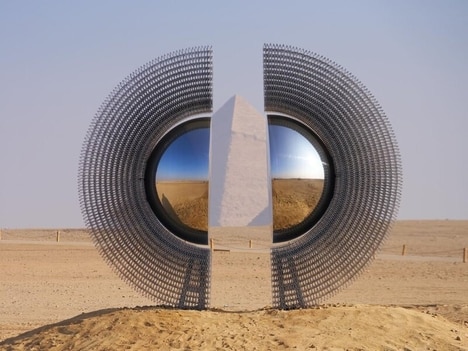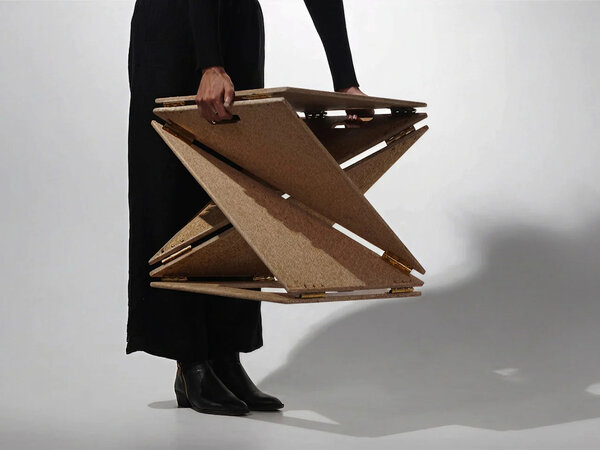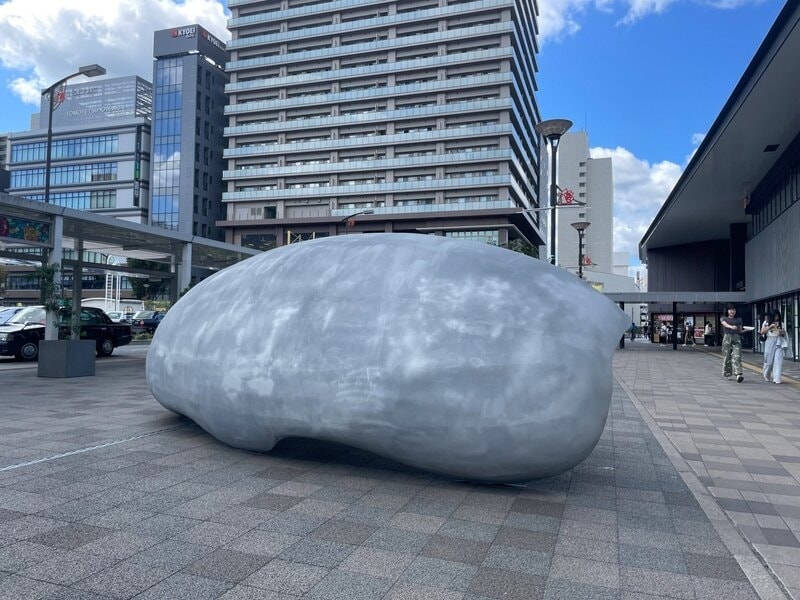
The Hiroshima Architecture Exhibition kiosks introduce three mobile installations placed across Fukuyama and Onomichi for the 2025 program. The first kiosk, designed by Yasushi Horibe with WOODONE, uses a timber structure with visible joinery and a compact rectangular form that opens on two sides for public interaction. The second kiosk by Hideyuki Nakayama with Molten frames surrounding views through a slender steel outline, using transparent wall planes to let the landscape pass directly through the structure. The third kiosk by Junya Ishigami with Tsuneishi Shipbuilding and Tsuneishi Kamtecs uses a lightweight canopy supported by thin structural members, creating a floating effect above the plaza.
The three kiosks function as mobile architectural pieces that can be relocated throughout the exhibition period. Each unit is built at a scale suitable for pedestrian areas, with proportions that allow installation in narrow streets and public squares. The structures operate as architectural samples for viewing rather than enclosed pavilions.
Image Credit: Yoshikuni Shirai
What Makes This Trend Stand Out
- Mobile Architectural Installations
- Mobile architectural installations are transforming static art displays into dynamic urban features that can easily be relocated to various public settings.
- Transparent Architectural Design
- Transparent architectural designs enable structures to harmonize with natural surroundings, providing unobstructed views that integrate the built environment with the local landscape.
- Lightweight Structure Innovations
- Innovations in lightweight structural materials are allowing for the creation of seemingly weightless designs that enhance the aesthetic appeal and functionality of public spaces.
Sectors Adopting This
- Urban Design
- Urban design is witnessing a shift with the integration of compact and moveable structures that enhance public engagement and aesthetic variety.
- Sustainable Architecture
- Sustainable architecture is evolving through the use of eco-friendly materials and designs that minimize environmental impact while maximizing structural adaptability.
- Public Art Installations
- Public art installations are embracing modular and flexible formats that offer interactive and temporary experiences to urban communities.