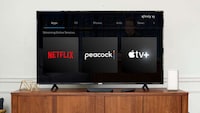
HBO is finally "cutting the cord," so to speak, by introducing a standalone HBO streaming service.
Netflix has grown tremendously from a start-up venture to a revolutionary new way to enjoy television and media. Unlike other networks, HBO included, Netflix operates without users having to purchase a cable package (the metaphorical "cord"). However, since the majority of HBO's marketing comes courtesy of cable companies it has been faithful to, moving to web and online streaming will cause the company to lose some of that leverage. As it follows, the network will continue to forge ahead, but it will offer a slightly different selection of programming online.
CEO Richard Plepler explains, “[Streaming] is a large and growing opportunity that should no longer be left untapped. It is time to remove all barriers to those who want HBO."
What's Driving This Trend
- Standalone Streaming Services
- The introduction of standalone streaming services is disrupting the traditional cable model and providing more options for consumers to access content.
- Transition to Online Streaming
- Moving from traditional broadcast methods to web and online streaming allows networks to reach a wider audience and adapt to changing consumer preferences.
- Direct-to-consumer Marketing
- By offering streaming services directly to consumers, networks like HBO can bypass traditional marketing channels and build a direct relationship with their audience.
Who This Affects Most
- Television Broadcasting
- The shift towards streaming services presents opportunities for growth and innovation in the traditional television broadcasting industry.
- Video Streaming Platforms
- The demand for standalone streaming services fuels the growth of video streaming platforms, creating new avenues for content distribution.
- Cable and Satellite Providers
- Cable and satellite providers need to adapt and find new ways to deliver content as consumers increasingly turn to streaming services for their entertainment needs.