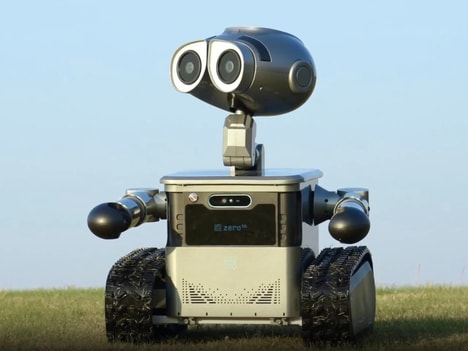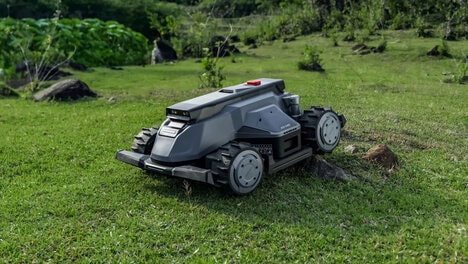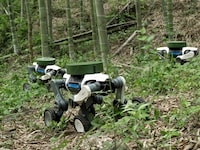
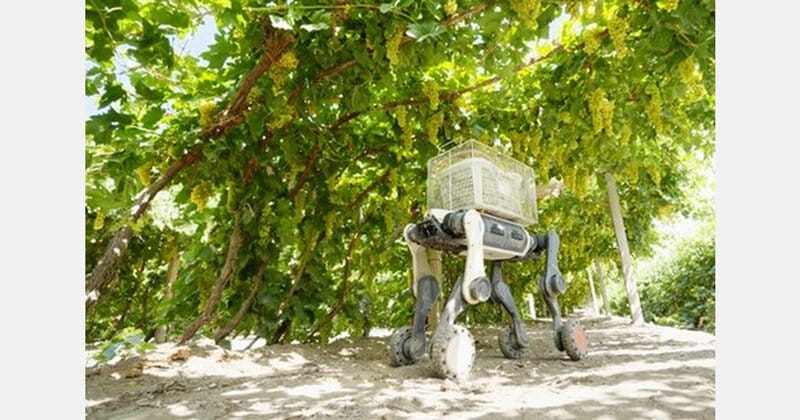
DEEP Robotics is putting the Lynx M20S to work in Turpan’s vineyards, where the wheeled-legged robots help transport freshly picked grapes, move irrigation tubing and collect field data. Built to handle the uneven terrain and narrow rows between vines, the machines can collect baskets from workers and carry them towards drying areas, allowing pickers to stay focused on harvesting.
Each robot can carry up to 35 kg and operate in temperatures ranging from 50°C to −30°C. Its compact design allows it to navigate tight vineyard rows, while its sensors help it avoid rocks, potholes and other obstacles as it moves across gravel, slopes and shallow ditches.
The robots have reduced manual carrying work by more than 70%, helping grapes reach the drying stage faster. That shorter journey can help reduce dehydration and shrivelling after picking, while teams continue testing how the machines perform during periods of extreme heat and across different agricultural settings.
Image Credit: DEEP Robotics
Key Themes Behind This Trend
- Autonomous Vineyard Logistics
- Robotic field transport systems create new efficiency models for specialty crops by reducing manual hauling and preserving produce quality between harvest and processing.
- Rugged Farm Robotics
- All-terrain machines designed for heat, slopes and narrow rows signal opportunities for automation in environments that conventional agricultural equipment cannot access.
- Sensor-based Harvest Support
- Integrated navigation and field data collection expands farm robotics beyond labor assistance into real-time operational intelligence for crop management.
Where This Applies
- Viticulture
- Vineyard operators gain access to compact robotic helpers that can improve harvest flow, protect fruit condition and support labor-constrained picking seasons.
- Agricultural Robotics
- Hardware developers can differentiate through hybrid wheeled-legged mobility platforms built for complex terrain, extreme climates and task flexibility.
- Precision Agriculture
- Data-enabled transport robots introduce a pathway for combining physical farm work with environmental monitoring, route optimization and crop performance insights.