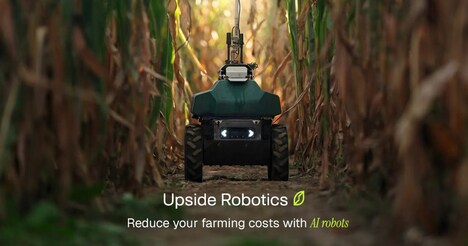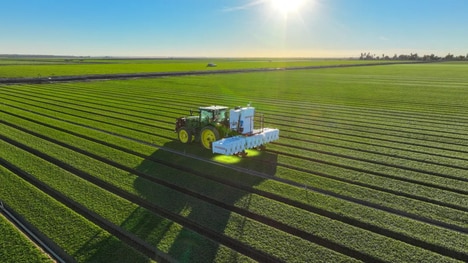
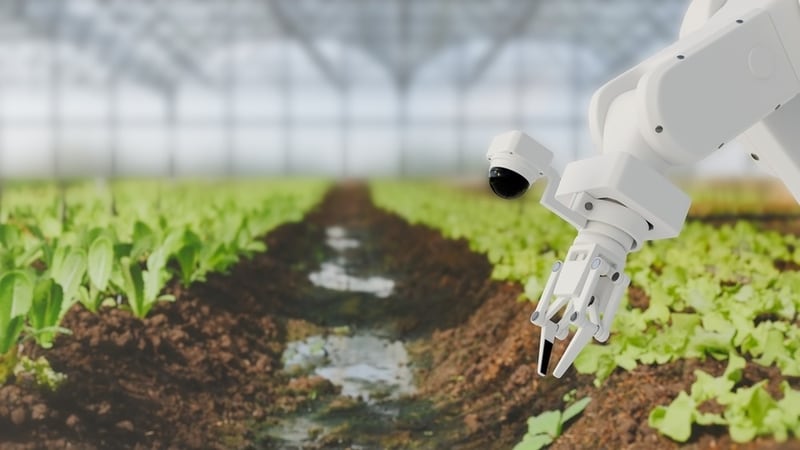
Researchers at Osaka Metropolitan University introduced an adaptive robotic harvester that combines AI with edge IoT sensors to assess picking difficulty before action, featuring multispectral cameras, LiDAR and force-feedback nodes embedded in the actuator. The system evaluates fruit, foliage and approach angle in real time and adjusts its physical movements to avoid crushing produce, raising successful extractions to 81 percent. Its design pairs ruggedized onboard compute with low-latency sensor fusion, plus fleet-focused telemetry for remote model updates and coordination across machines.
By shifting decision-making to the vehicle chassis, the harvester enabled continuous millisecond-scale reactions while operating in variable outdoor conditions. For farms, this meant reduced crop damage and more precise predictive maintenance as internal telemetry tracked motor torque and hydraulic stress. The result reframes agricultural automation economics: higher yield protection, longer-lived assets and a clearer case for private rural connectivity and edge-first architectures.
Image Credit: Prathankarnpap / Shutterstock.com
What's Driving This Trend
- Edge-first Agricultural Automation
- Real-time, chassis-level decisioning enables sub-millisecond reactions that significantly reduce crop damage and recalibrate the cost-benefit of deploying autonomous harvest fleets.
- Multisensor Adaptive Grippers
- Integration of multispectral cameras, LiDAR and force-feedback in actuators creates perception-driven end-effectors that can differentiate crop condition and delicacy to maximize successful extractions.
- Fleet-based Model Orchestration
- Low-latency telemetry and remote model updates form coordinated fleets whose collective learning and task allocation improve uptime and asset longevity across heterogeneous fields.
Who This Affects Most
- Agricultural Technology
- Robust onboard compute and sensor fusion open pathways for precision harvesting solutions that increase yield retention and justify investment in automation for smaller farms.
- Rural Connectivity Infrastructure
- Demand for private, low-latency networks rises as edge-centric systems require reliable links for telemetry and synchronized updates across dispersed machines.
- Industrial Robotics Maintenance
- Telemetry-driven predictive maintenance models enable insights into motor torque and hydraulic stress that can extend equipment life and shift service models toward outcome-based contracts.