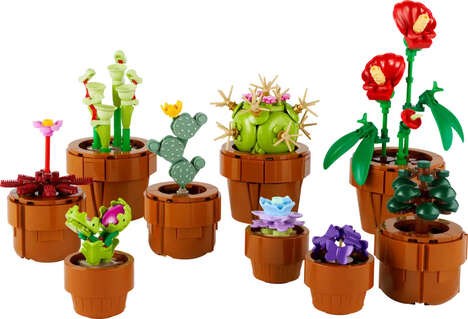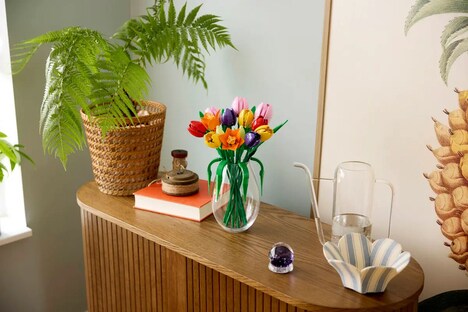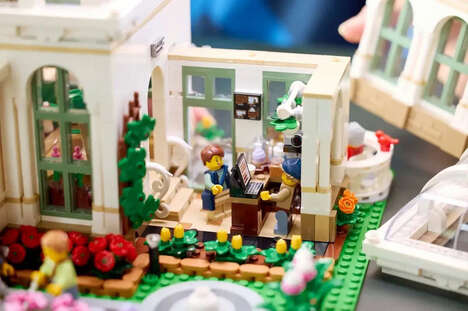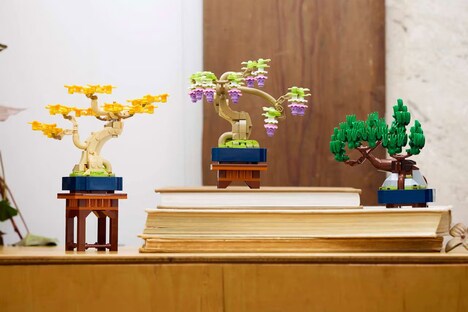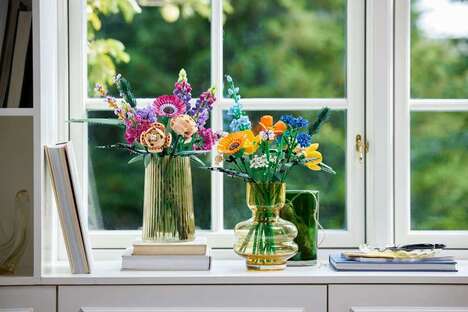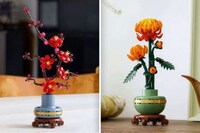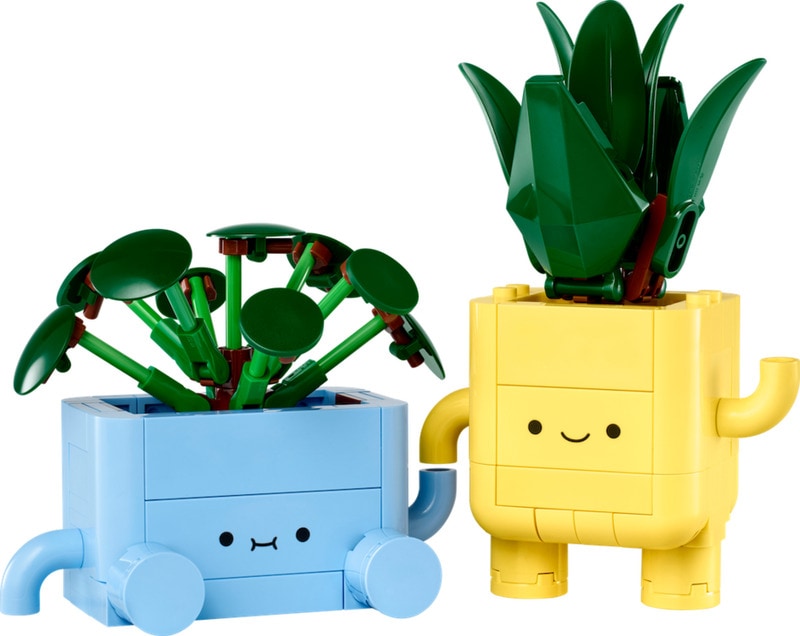
LEGO introduces its new Happy Plants set to join its ongoing Botanical collection. It is detailed with a cheerful face, with an adorable and inviting energy. The set is launching on June 1st and is meant for builders aged nine and up. The small baby draceana and baby pilea are carefully nestled inside pots with a smiley face -- it comes in either light blue or yellow.
The kit is made up of 217 pieces and is one of the sets that garnered a quick positive response from fans. Although it is small in size, its cheerful expression makes a big impact on the design. The interchangeable elements are engaging and add a personal flair.
Image Credit: Happy Plants
Why This Trend Is Growing
- Personalized Play Experiences
- The incorporation of customizable elements into LEGO's Happy Plants set reflects a broader trend towards personalized play experiences that resonate emotionally with consumers.
- Emotion-driven Product Design
- LEGO's use of cheerful expressions and adorable themes highlights a growing trend of emotion-driven product designs that enhance the user experience.
- Nature-inspired Creativity
- The botanical theme of the LEGO set taps into the nature-inspired creativity trend, which incorporates elements from the natural world to foster imaginative engagement.
Industries Being Reshaped
- Toy Manufacturing
- LEGO's botanical-themed puzzle set exemplifies the potential for innovation in the toy manufacturing industry with products that cater to both fun and design aesthetics.
- Consumer Goods
- The introduction of endearing and uniquely designed products in consumer goods showcases opportunities for capturing niche market segments with emotionally appealing items.
- Home Décor
- Capitalizing on the growing interest in playful and decorative items, LEGO's set suggests potential in the home décor industry for integrating playful design elements into everyday life.