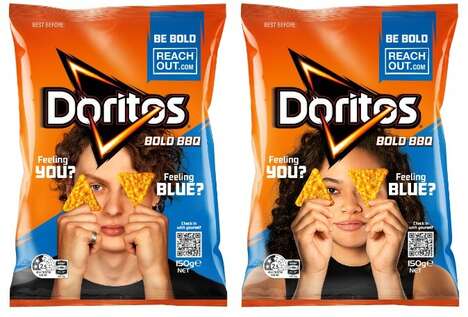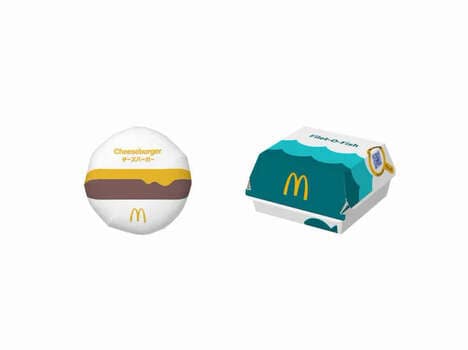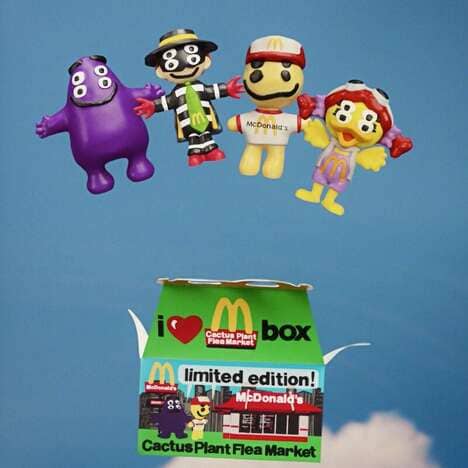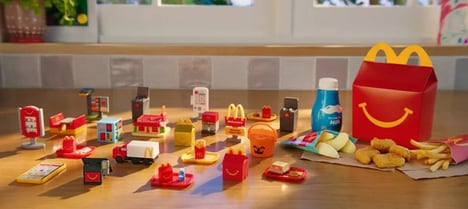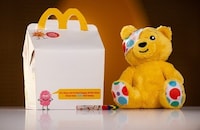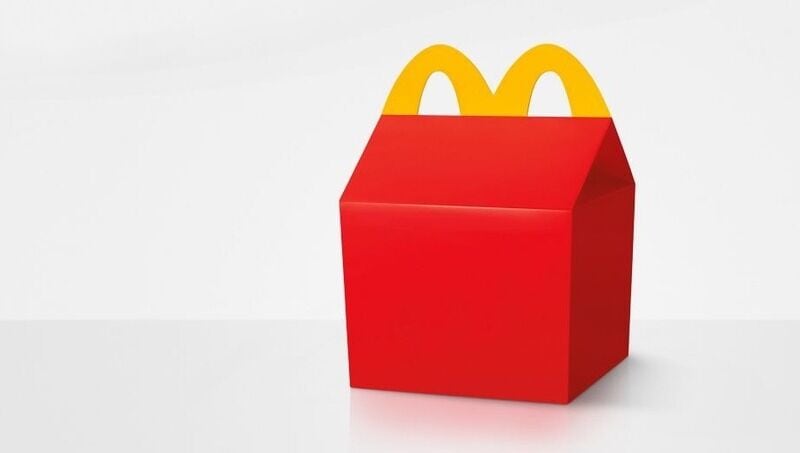
McDonald's in the UK is altering the look of its Happy Meal Boxes as a part of Mental Health Awareness Week which is from May 13 to May 19. It aims to encourage conversations around mental health especially that in the youth community. Often, the Happy Meal is a symbol of joy and childhood as the cheerful design comes with a toy inside. Now, the company is working alongside BBC Children in need to remove the smile for a while.
This initiative is cooked up by ad agency Leo Burnett UK and communication company Ready10. This was done to bring attention to how over half of the children in the UK are pressured to appear as if they do not have care. The campaign is dubbed 'The Meal' and features limited packaging which features "it's okay not to feel happy all the time."
Image Credit: McDonald's UK
What's Driving This Trend
- Mental-health Focused Branding
- Brands increasingly integrate mental-health awareness into their packaging to foster emotional support and social responsibility among consumers.
- Collaborative Social Campaigns
- Collaborations between major corporations and social organizations are becoming a strategic avenue to amplify important messages and drive societal change.
- Youth-centric Well-being Initiatives
- Companies are prioritizing mental-health campaigns aimed at younger demographics to address rising concerns about youth mental well-being.
Who This Affects Most
- Fast-food Chains
- Leading fast-food chains are leveraging their widespread influence to promote mental health awareness through innovative packaging and collaborative campaigns.
- Advertising Agencies
- Advertising agencies are pioneering the integration of mental health messages into mainstream product campaigns, enhancing community connection and social impact.
- Children's Non-profits
- Non-profits focused on children's welfare see partnerships with large companies as effective platforms for disseminating crucial mental-health awareness initiatives.